

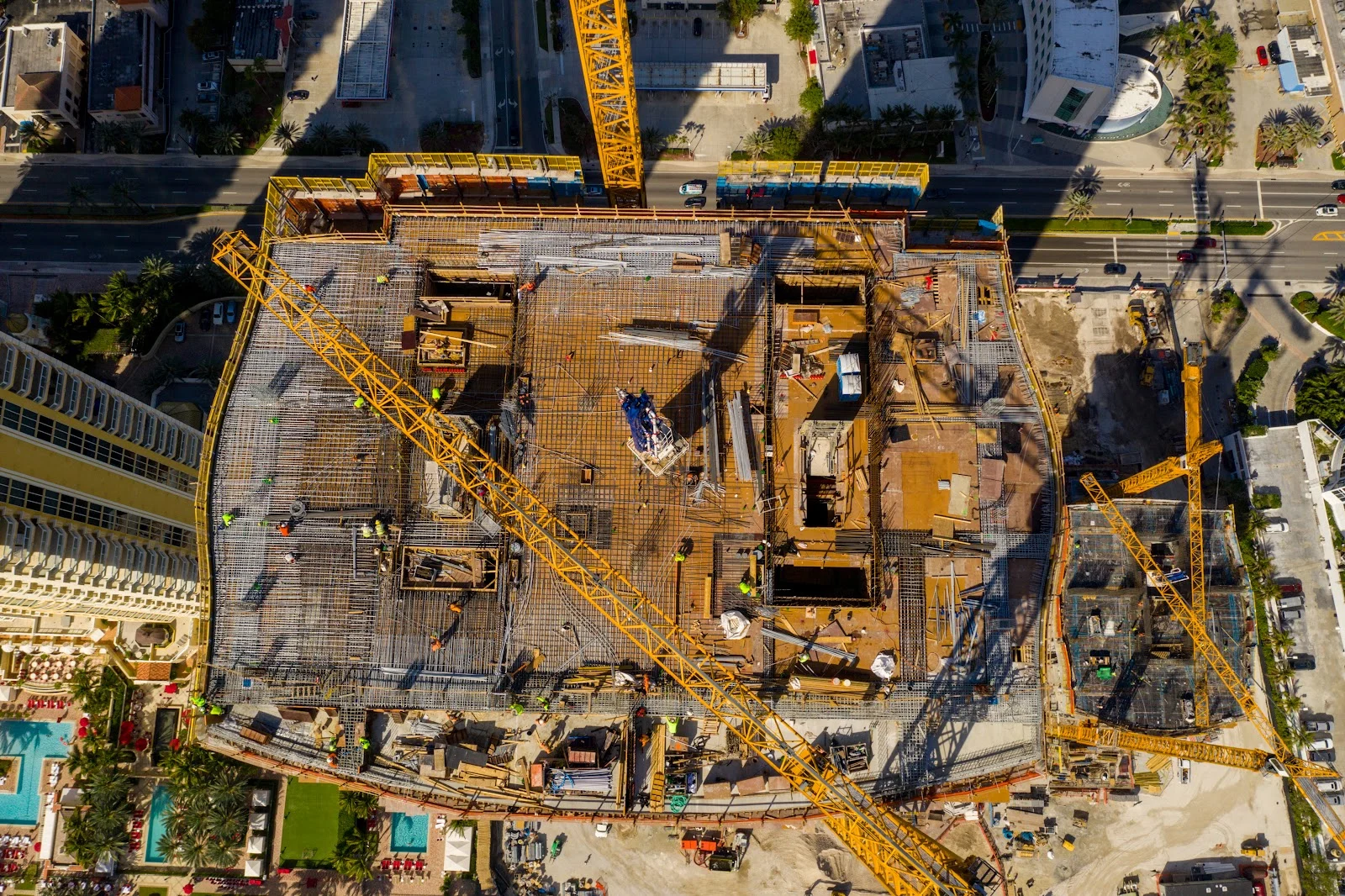
New York City construction sites are high-activity environments — workers operate at height, cranes and hoists lift heavy materials overhead, and demolition debris moves through crowded areas. When tools, building materials, or equipment fall from above and strike a person, the injuries can be devastating: traumatic brain injuries, spinal damage, broken bones, or worse.
Construction workers struck by falling objects on NYC job sites have significant rights under New York State law. Depending on how the accident happened, an injured worker may be entitled to workers’ compensation benefits and may also have a personal injury lawsuit against a third party under Section 240(1) of the New York Labor Law — also known as the Scaffold Law.
Can You Sue After a Falling Object Accident on an NYC Construction Site?
Yes — in many cases, you can. New York Labor Law § 240(1) imposes strict liability on property owners and general contractors when a worker is injured by a falling object that was not properly secured or protected. Unlike negligence claims, strict liability means you do not have to prove the owner or contractor was careless — only that the law was violated and that violation caused your injury.
Common examples of falling object accidents covered by Labor Law 240 include:
- A tool or piece of equipment dropped from a scaffold or elevated platform
- Building materials (bricks, steel beams, concrete blocks) falling during hoisting or rigging
- Debris dislodged during demolition striking a worker below
- An unsecured load shifting and falling during transport by crane or hoist
- Objects falling through floor openings or unprotected edges
What Is Labor Law 240(1) and Why Does It Matter?
New York’s Scaffold Law (Labor Law § 240(1)) was enacted to protect construction workers from the unique gravity-related dangers of working at height. It requires owners and contractors to provide proper scaffolding, hoists, stays, ladders, slings, hangers, blocks, pulleys, braces, irons, ropes, and other devices to give proper protection to workers.
Critically, Labor Law 240 applies to both workers at height and workers below who are struck by falling objects. If the object that struck you was being hoisted, secured, or otherwise handled in connection with construction, demolition, or repair work, the law likely applies.
Workers’ Compensation vs. a Personal Injury Lawsuit: You May Have Both
Many injured workers assume they can only file a workers’ compensation claim. That is not always true.
Workers’ compensation provides benefits regardless of fault — but it limits your recovery to medical expenses and a portion of lost wages. You cannot sue your employer directly.
A third-party personal injury lawsuit under Labor Law 240(1) (or Labor Law 241(6), or common law negligence) is a separate claim against the property owner or general contractor — not your employer. This type of lawsuit can recover full lost wages, pain and suffering, and other damages that workers’ comp does not cover.
In many NYC construction accident cases, injured workers file both: a workers’ comp claim with their employer and a third-party lawsuit against the site owner or general contractor. The two claims are separate, and pursuing one does not prevent you from pursuing the other.
What Should You Do After Being Struck by a Falling Object?
The steps you take immediately after the accident can significantly affect your ability to recover compensation:
- Get medical attention immediately. Even if you feel relatively okay, head injuries and internal injuries may not show symptoms right away. A documented medical exam also creates a record connecting your injuries to the accident.
- Report the accident to your supervisor. Give written notice as soon as possible. New York workers’ comp law requires you to report a workplace injury within 30 days, and a personal injury lawsuit has its own notice and statute of limitations requirements.
- Document the scene. If you are able, photograph where you were standing, what fell, where it came from, and the condition of the work area. Get names and contact information of any witnesses.
- Preserve all records. Keep medical records, accident reports, pay stubs, and any communication related to the accident or your employment.
- Consult a construction accident attorney before speaking to an insurance adjuster. Insurance adjusters for the property owner or general contractor work for them — not you. An attorney can advise you before you give any recorded statements.
What Damages Can You Recover?
In a successful Labor Law 240(1) case, you may be able to recover:
- All past and future medical expenses
- Full lost wages and loss of earning capacity
- Pain and suffering (physical and emotional)
- Loss of enjoyment of life
- Disfigurement or permanent disability compensation
These are significantly broader than what workers’ compensation alone provides.
How Long Do You Have to File?
New York’s statute of limitations for a Labor Law 240(1) personal injury claim is generally three years from the date of injury. However, certain claims against public entities (like the City of New York or a public authority) require a Notice of Claim within 90 days and have shorter deadlines. Do not wait — consult an attorney as soon as possible to protect your rights.
Speak With an NYC Construction Accident Lawyer
If you or someone you know was struck by a falling object on a New York City construction site, Oresky & Associates can help you understand your rights and options. We represent injured construction workers throughout the five boroughs and have recovered significant compensation for clients injured under Labor Law 240 and related statutes.
Contact us for a free, confidential consultation. There is no fee unless we recover for you.