

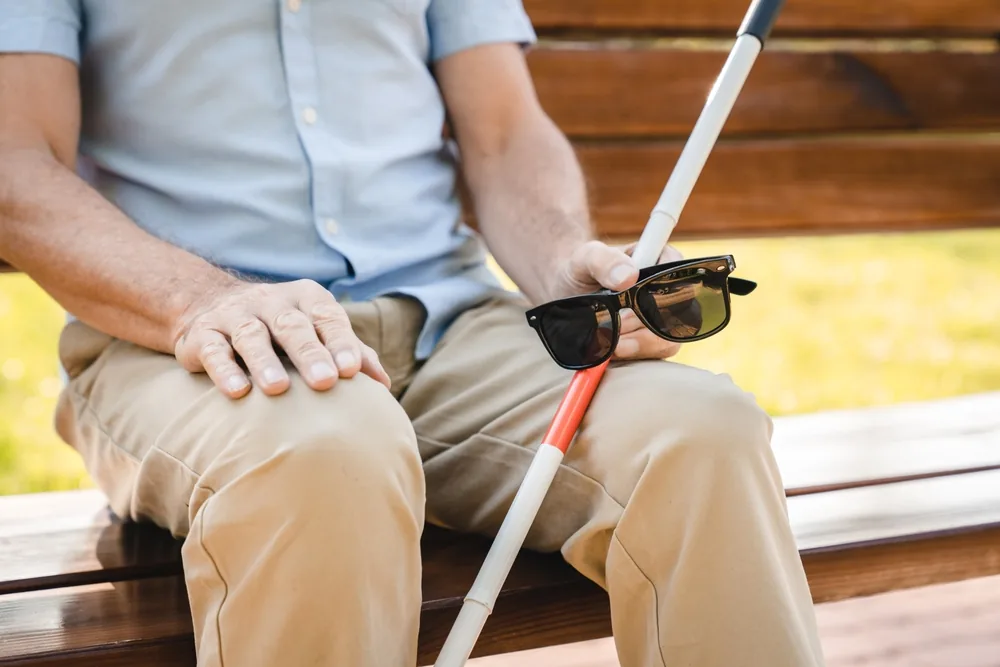
Construction sites move fast, and workers’ eyes are exposed to danger throughout the workday. A moment of contact with the wrong hazard can cause permanent damage, and workers may not realize the full extent of the harm until hours or days later. Construction workers injured this way in New York City have important legal rights, including the right to pursue compensation for their losses.
Common Causes of Eye Injuries on NYC Construction Sites
Eye injuries can happen quickly, and workers are often exposed to multiple hazards in a single shift. Some of the most common causes include:
- Flying debris: Grinding, chipping, sawing, and demolition work send fragments of metal, wood, concrete, and other materials through the air. Without proper eye protection, these particles can cause cuts, punctures, or embedded foreign objects in the eye.
- Welding and cutting operations: Welding arcs produce intense light that can cause flash burns, a painful condition that damages the cornea. Sparks and molten metal from welding and cutting also pose a direct impact risk.
- Chemical exposure: Solvents, adhesives, concrete dust, and other construction chemicals can splash or become airborne, causing burns, irritation, or long-term damage if they contact the eyes.
- Dust and airborne particles: Demolition, drywall work, and general site activity generate dust that can scratch the cornea or cause lasting irritation, particularly when workers are exposed repeatedly without adequate protection.
- Power tools: Drills, saws, nail guns, and other power equipment can eject fragments, fasteners, or debris at high speed, creating a serious risk of eye trauma for the operator and nearby workers.
Although these hazards vary, workers are often exposed to more than one on a given day, and even brief exposure can cause lasting harm.
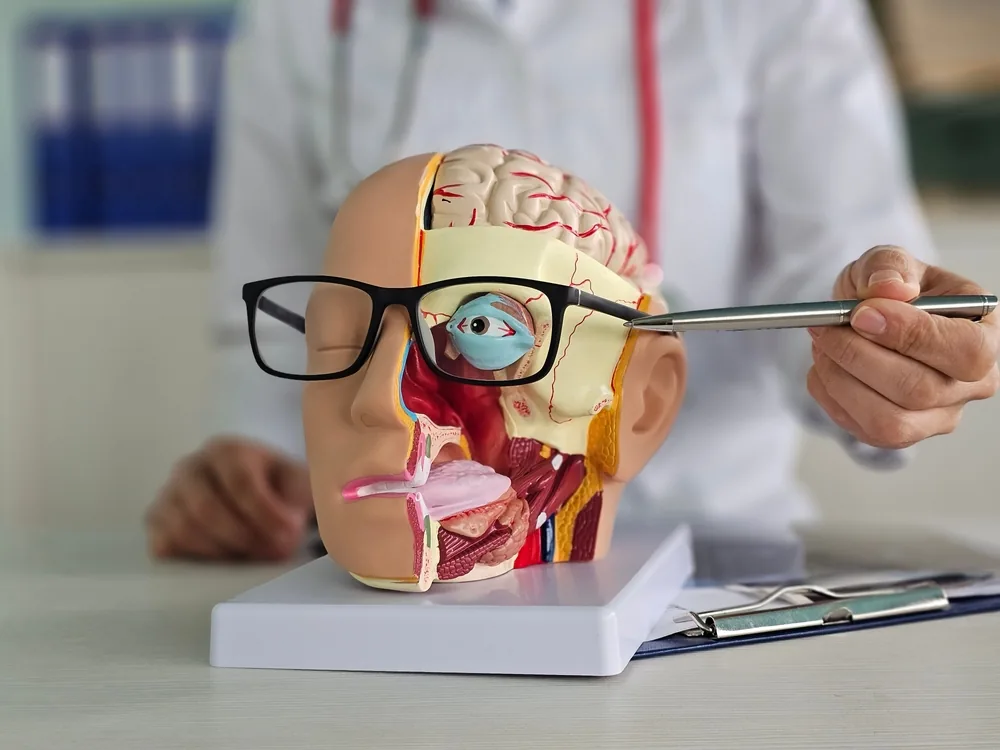
Types of Vision Injuries and Long-Term Effects
The severity of a construction eye injury often depends on the hazard involved and how quickly the worker receives treatment. Some common injuries include:
- Corneal abrasions and lacerations: Scratches or cuts to the eye’s surface caused by dust, debris, or sharp fragments. These injuries can heal with treatment but may lead to lasting sensitivity or scarring if not properly addressed.
- Chemical burns: Contact with solvents, adhesives, or other construction chemicals can damage the eye’s surface and deeper structures, sometimes resulting in permanent scarring or vision impairment.
- Flash burns: Exposure to welding arcs without proper eye protection can burn the cornea, causing intense pain, light sensitivity, and temporary or lasting vision problems.
- Penetrating injuries: Metal fragments, nails, or other debris that pierce the eye can cause severe internal damage, including retinal detachment or traumatic cataracts.
- Blunt force trauma: Impact from tools, materials, or equipment can fracture the bones around the eye or damage internal eye structures without breaking the skin.
For many workers, these injuries do not resolve on their own. Some require surgery, ongoing treatment, or vision therapy. Others result in permanent vision loss, partial blindness, or the total loss of an eye, changes that can affect a worker’s ability to safely perform construction work in the future.
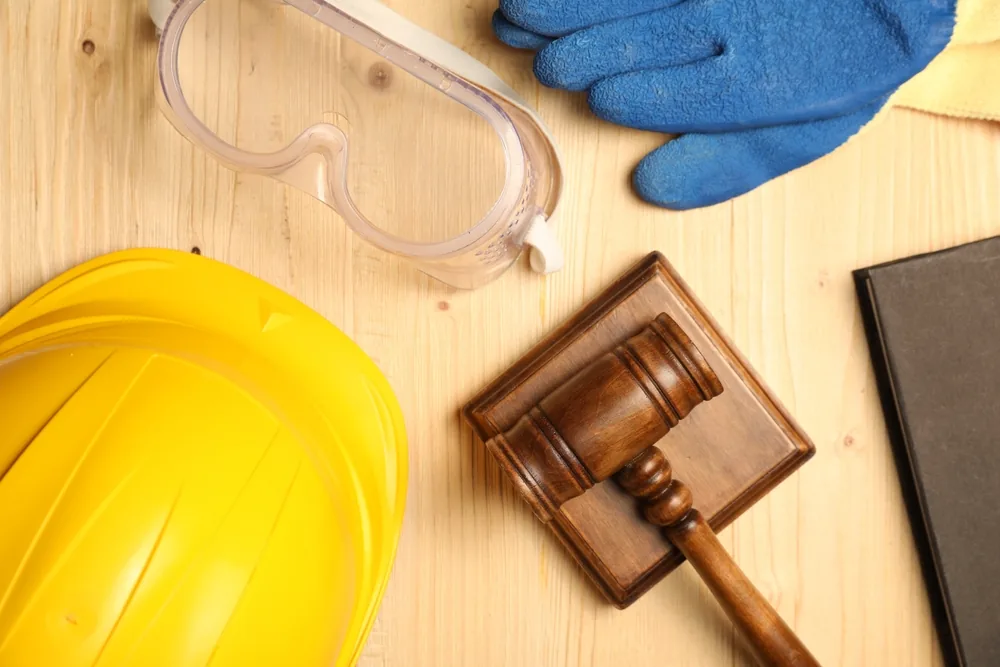
Eye Protection Requirements on Construction Sites
Federal and state safety standards recognize how serious eye hazards are on construction sites, and both require employers to take steps to prevent these injuries before they happen.
Under OSHA regulations, employers must provide eye and face protection whenever workers face a risk of injury from flying particles, chemical exposure, or harmful light radiation, such as welding flash.
New York’s Industrial Code contains its own eye protection requirement. Approved eye protection must be provided and worn by anyone performing welding, burning, or cutting operations, as well as chipping, cutting, or grinding work where particles may fly, or any other operation that may endanger the eyes.
These requirements exist because eye injuries are largely preventable when proper protective equipment is provided, maintained, and actually worn on the job. When that protection is missing or ignored, the resulting injury often stems from a safety failure rather than an unavoidable accident.
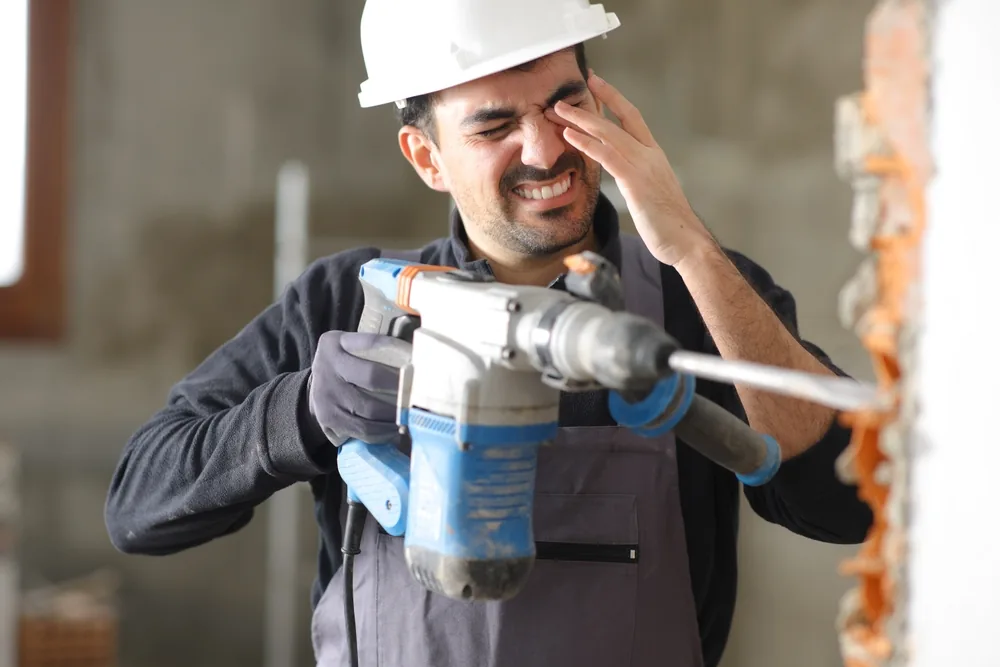
Accountability for Eye Injuries on an Unsafe Jobsite
Workers injured by an eye hazard on a construction site are entitled to workers’ compensation benefits, regardless of who caused the accident. These benefits typically cover medical treatment and a portion of lost wages during recovery, but they do not account for the full impact a serious eye injury or vision loss can have on a person’s life.
New York labor laws place specific safety obligations on contractors, building owners, and other parties responsible for construction work, including requirements to provide proper safety equipment like eye protection for hazardous tasks. When that protection is missing, inadequate, or not enforced, and a worker’s eyesight is harmed as a result, the responsible parties can be held accountable through a third-party personal injury claim.
Responsibility is not always limited to a single party. Even when an employer provided the equipment that failed to protect a worker, the general contractor and property owner may still be liable, since their duty to provide proper safety protection cannot be passed off to someone else.
Why Injured Construction Workers Trust Oresky & Associates, PLLC
Losing part of your vision on a job site isn’t just a medical setback. It can mean stepping away from a trade you’ve spent years building, and facing a future that looks a lot less certain than it did the morning you went to work. We understand what that uncertainty feels like, and you shouldn’t have to carry it alone.
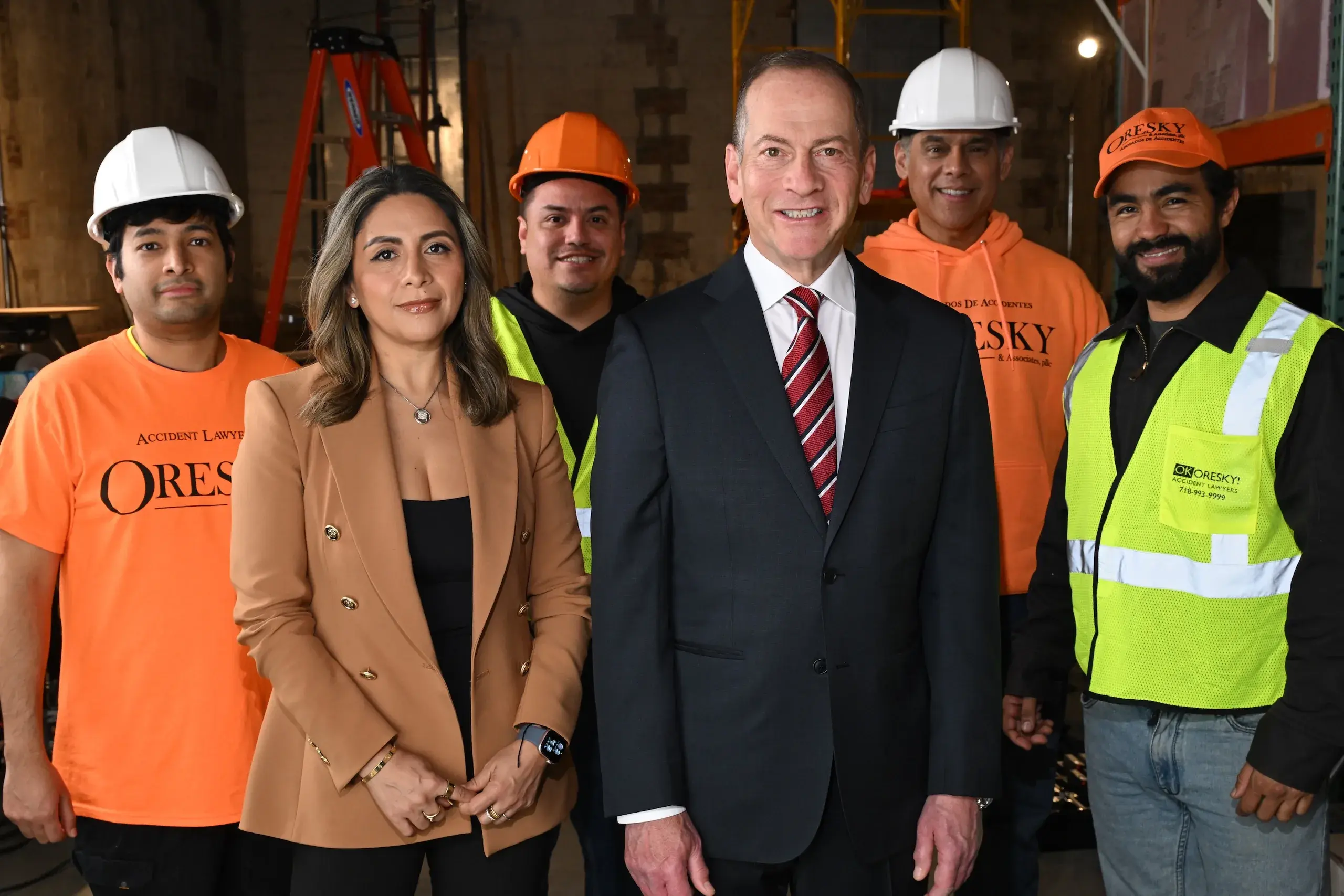
At Oresky & Associates, PLLC, we’ve spent more than 30 years in the corner of construction workers across New York City, and we’ve recovered over $500 million in settlements and verdicts along the way. But what our clients tell us matters most isn’t the number; it’s how they were treated getting there.
We pick up the phone and start working for you right away. We meet you where you are, whether that’s your home, a hospital room, or a video call, because we know recovering from a serious injury doesn’t leave much room for sitting in a law office. And we tell you the truth about your case from day one, even when it’s not what you want to hear, because you deserve to make decisions with a clear picture in front of you.
That commitment shows up in the results we’ve secured for construction workers facing serious, life-altering eye injuries, including:
- A $500,000 settlement for a Brooklyn plumber who was knocked unconscious and suffered multiple fractures to his face and eye socket after a pipe coupling failed during a pressure test.
- A $1 million settlement for a Brooklyn worker who was hammering wood into a concrete foundation when a ricocheting nail struck him in the left eye, resulting in a ruptured globe, permanent vision loss, and surgical removal of the eye.
If a preventable eye injury has changed what your future looks like, we want to hear your story and help you figure out what comes next.
Frequently Asked Questions
What if I Was Wearing Safety Glasses When the Injury Happened?
Wearing some form of eye protection does not automatically prevent a construction worker from bringing a claim. The real question is whether the protection provided was suited to the specific hazard involved. Basic safety glasses, for example, may not offer enough protection for welding, grinding, or heavy cutting work, which often call for a face shield or welding helmet. If the wrong equipment was provided, or if the employer didn’t enforce proper protection on the job, a worker may still have a valid claim.
What if My Vision Loss Doesn’t Show Up Until Days After the Incident?
Some eye injuries, particularly those involving chemical exposure or blunt trauma, are not immediately obvious. Symptoms like blurred vision, pain, or light sensitivity can develop hours or even days after the initial incident. A delayed onset of symptoms does not prevent a worker from pursuing a claim, but it does make it important to seek medical attention and report the incident as soon as symptoms appear.
Is a Co-Worker’s Mistake Still Something I Can Bring a Claim Over?
Potentially, yes. Construction accident claims often focus on whether contractors, subcontractors, or building owners failed to provide proper safety equipment or enforce safety procedures on site. Even when a co-worker’s actions directly contributed to the accident, liability may extend to the parties responsible for site safety.
Can I Recover for Permanent Vision Loss Even if I Can Still Work?
Yes. A worker does not have to be completely unable to work to recover compensation for permanent vision loss. Diminished eyesight can still affect a person’s daily life, safety on future job sites, and long-term career prospects, even if they remain employed. These impacts can be an important part of a third-party injury claim.
Talk to an NYC Construction Accident Lawyer About Your Eye Injury
The loss of your eyesight should never be treated as an acceptable risk of doing your job. When proper safety equipment isn’t provided, or basic precautions are ignored, the resulting harm is often preventable, and workers deserve to know that they have options.
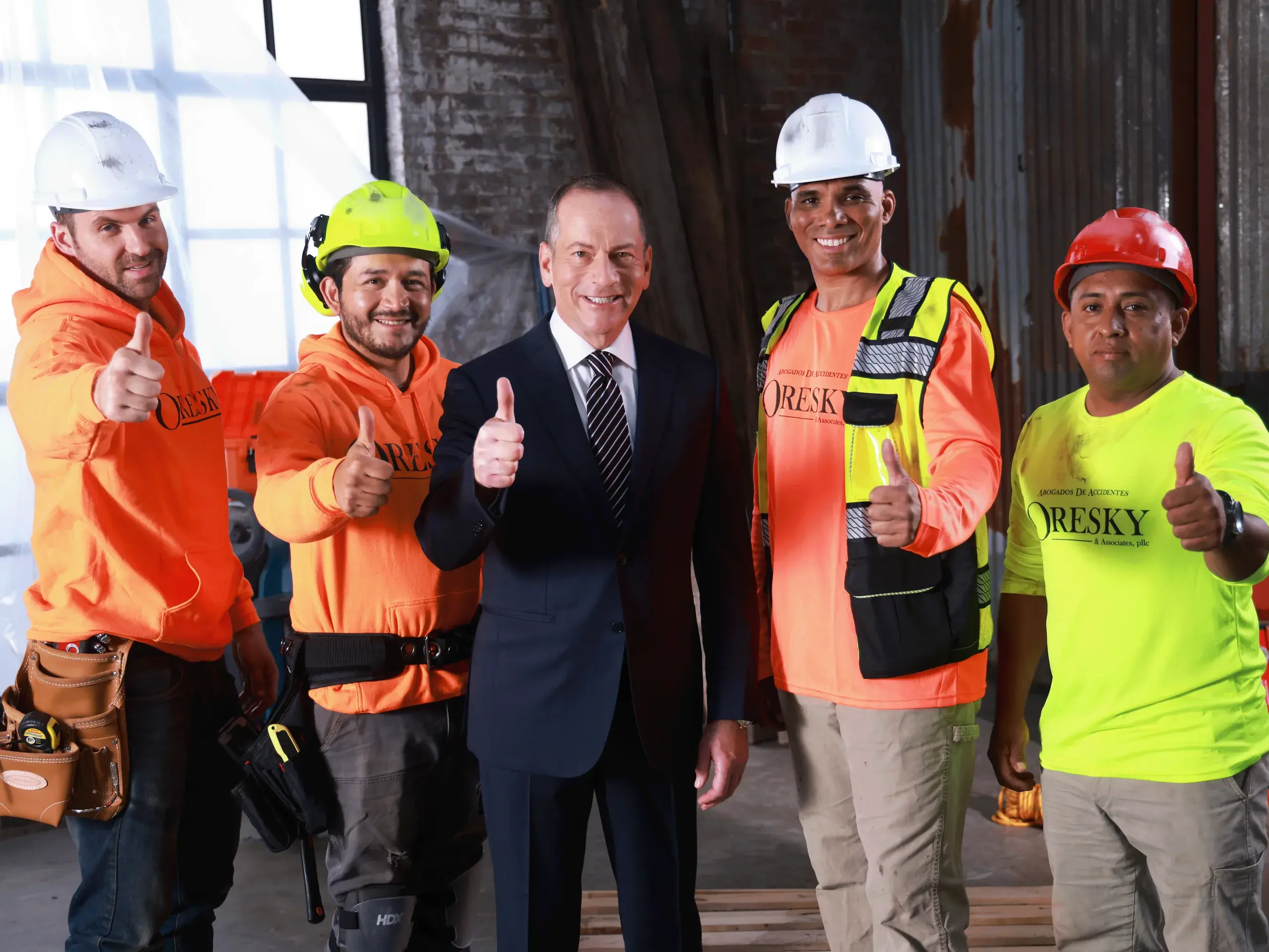
If you or a loved one suffered an eye injury or vision loss on a New York City construction site, the construction accident attorneys at Oresky & Associates, PLLC, are ready to listen, answer your questions, and help you understand what comes next. Call us at (929) 209-4492 for a free consultation.