

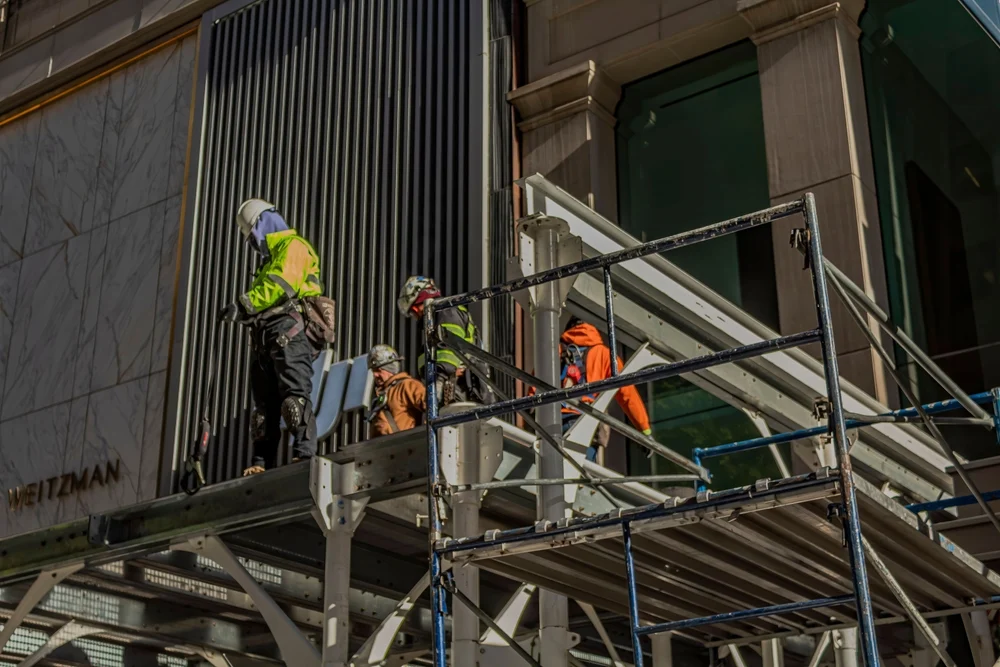
Scaffolding work is dangerous enough even when proper safety equipment is provided. If you fell from a scaffold with no harness in NYC, the consequences can be life-changing, especially when the fall occurs several stories above the ground.
New York law recognizes the unique dangers of elevated construction work. When workers are injured after being denied adequate fall protection, they have the right to seek compensation from the parties responsible for maintaining a safe job site.
Why Missing Fall Protection Can Create a Strong Legal Claim
Construction workers who perform elevated work in New York City are entitled to protections designed to reduce the risk of serious falls. Under New York Labor Law 240(1), contractors and certain building owners can be held liable when injuries occur because required safety devices were missing, inadequate, or improperly secured.
Many construction accident claims involving missing safety equipment on construction sites arise after crews are sent onto scaffolds without harnesses, lifelines, guardrails, or other necessary safeguards. In these cases, the focus is often not on whether someone lost their balance or made a mistake. Instead, the key question is whether adequate protection was provided before the work began.
These incidents frequently occur under real-world job site pressure. Workers may be expected to continue working despite unsafe conditions, unstable platforms, or incomplete fall protection systems. When safety takes a backseat to deadlines or productivity, the consequences can be devastating.
What Safety Equipment Should Have Been Provided on a Scaffold?
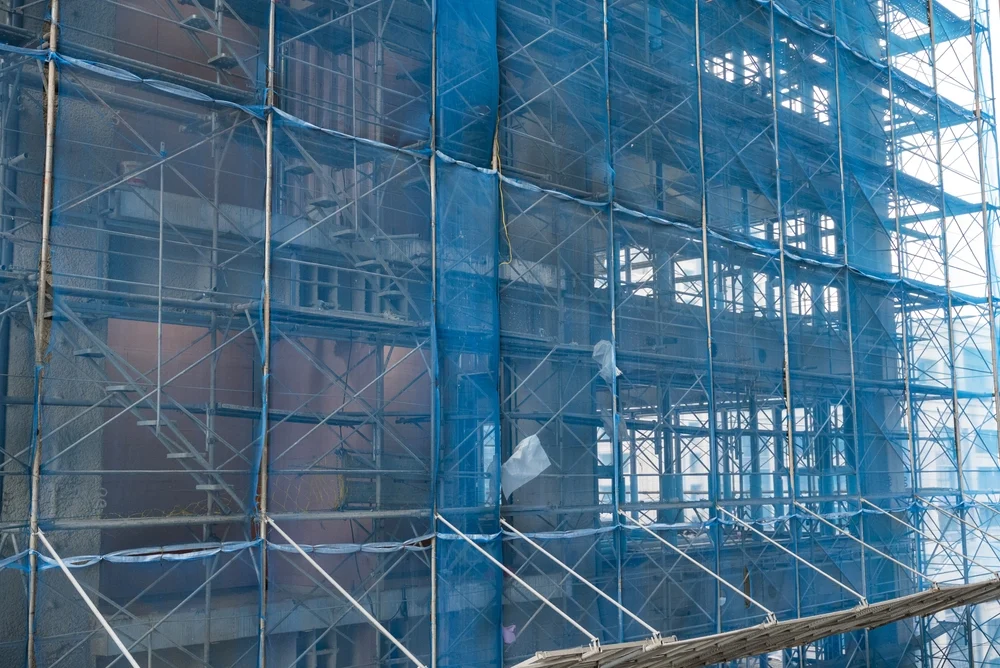
Construction workers performing elevated work often need more than one safeguard to prevent a serious fall. The required setup depends on the type of scaffold, the height involved, and the job being performed, but employers and contractors cannot simply send people onto elevated platforms without the equipment needed to do the work safely.
Personal Fall Arrest Systems
Personal fall arrest systems are designed to stop someone from striking the ground or a lower level during a fall. These systems may include a full-body harness, lanyard, lifeline, and properly secured anchor point.
A harness alone is not enough if there is nowhere safe to tie off. In many scaffold fall cases, workers are given incomplete or unusable equipment, or nothing at all. Missing or poorly secured tie-off systems can create serious hazards on New York City construction sites.
Guardrails and Toeboards
Guardrails help keep workers from falling off open sides or elevated platforms. Toeboards can help stop tools, debris, and materials from striking people below. These barriers are often among the first lines of defense against serious scaffold-related accidents.
Safety Nets and Other Fall Protection Systems
Depending on the work being performed, additional safeguards may be necessary. Safety nets and other protective systems can provide another layer of security when workers are exposed to significant elevation-related hazards.
The exact equipment required will vary from one job site to another, but the goal remains the same: to provide proper protection and reduce the risk of a potentially catastrophic fall.
Common Scaffold Situations Where Workers Are Left Unprotected
Scaffold falls can happen in many different construction environments throughout New York City. While the equipment and setup may vary from site to site, many incidents share a common factor: elevated work is performed under unsafe conditions.
Fixed Pipe Scaffolds
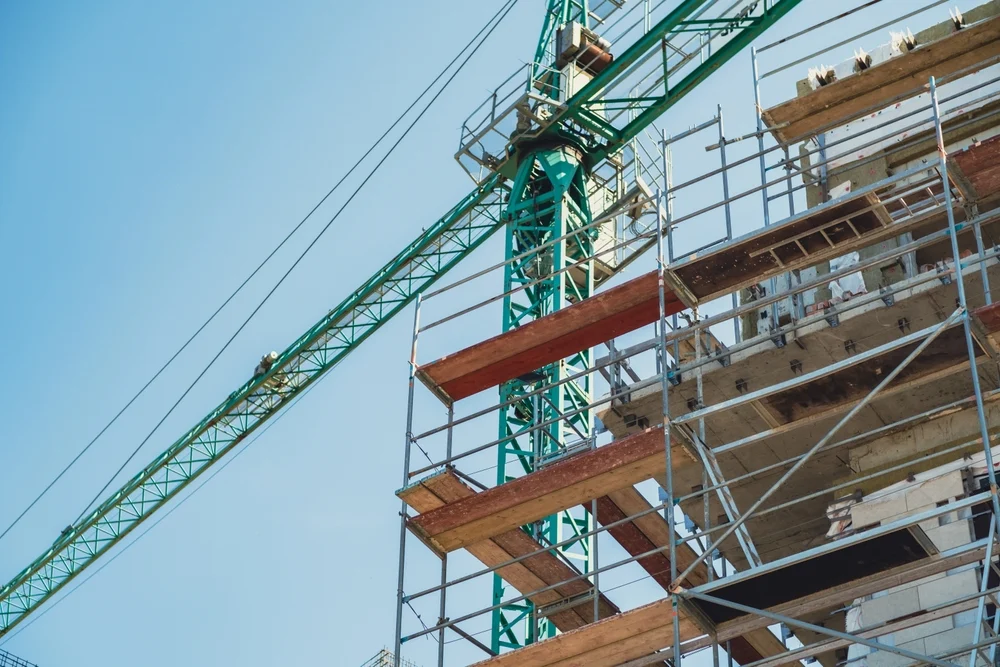
Fixed pipe scaffolds are common on large construction and exterior repair projects. Crews may spend hours working from elevated platforms while carrying tools, debris, and building materials.
Problems can arise when platforms are unstable, access points are unsafe, or the scaffold is not properly configured for the work being performed.
Mobile Baker Scaffolds
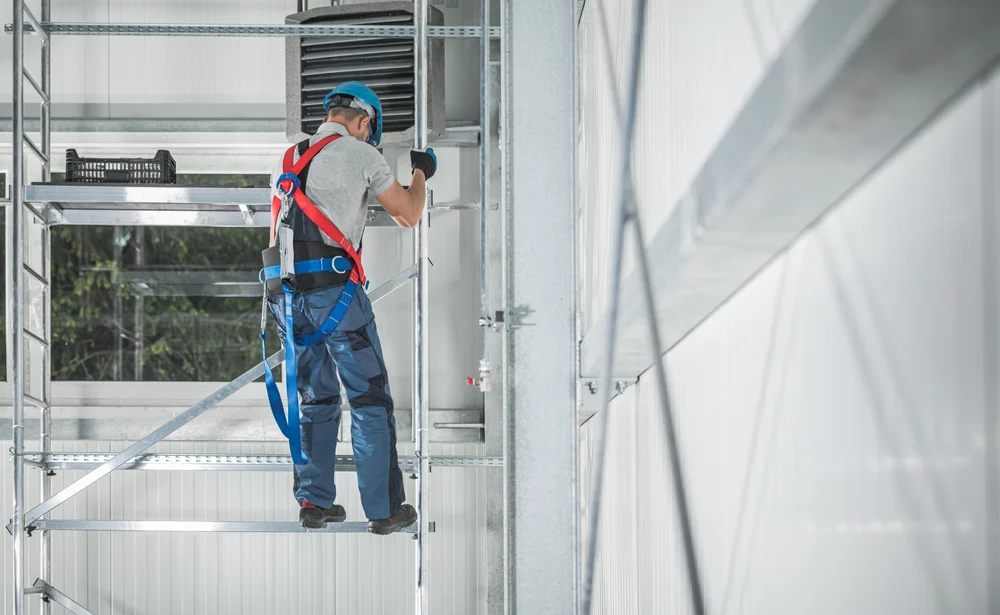
Mobile Baker scaffolds are frequently used for indoor construction, painting, and maintenance work. Because they are designed to move, they can become unstable if wheels are not locked or the scaffold is positioned on uneven surfaces.
Accidents may also occur when someone remains on the scaffold while it is being moved.
Suspended Scaffolds and Swing Stages
Suspended scaffolds, sometimes called swing stages, are commonly used on high-rise buildings throughout NYC. Because these platforms may be suspended several stories above the ground, even a single safety lapse can have devastating consequences.
Makeshift or Improvised Work Platforms
Some of the most dangerous scaffold accidents involve makeshift work platforms that were never designed for safe elevated construction work. Workers may be told to stand on unsecured planks, partially assembled scaffolds, or improvised elevated surfaces without proper protection.
These situations often develop when safety procedures are bypassed to save time, cut costs, or keep a project moving on schedule.
Common Injuries Caused by Scaffold Falls
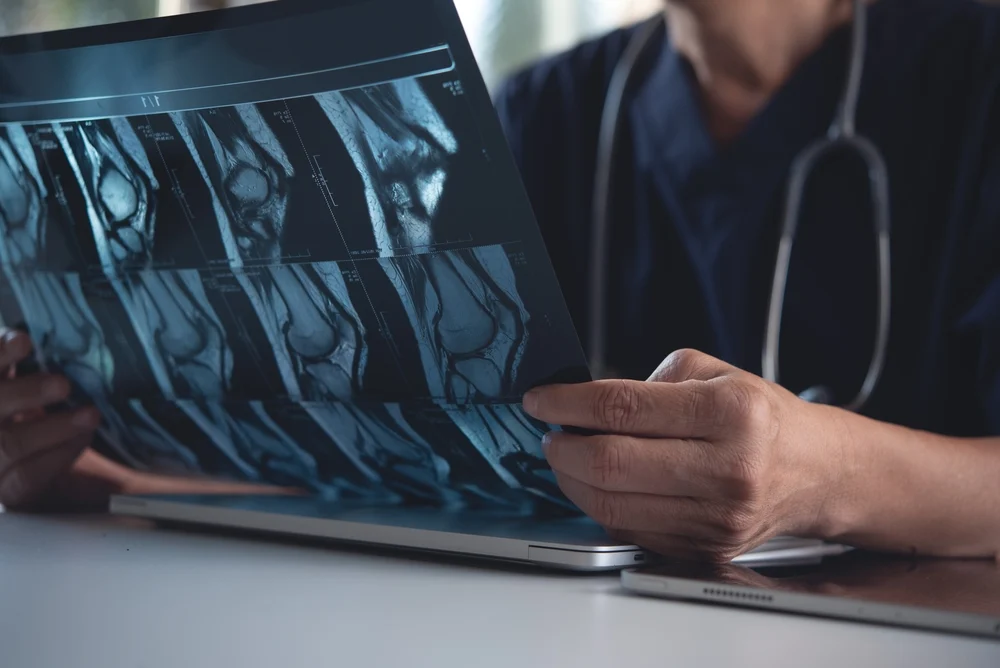
Scaffold falls can cause life-changing injuries, particularly when a worker falls from a significant height. Even falls from relatively low elevations can result in serious trauma.
Common scaffold fall injuries include:
- Traumatic brain injuries
- Spinal cord injuries
- Broken bones
- Back and neck injuries
- Internal injuries
- Nerve damage
- Amputations
Many injured workers require surgery, rehabilitation, and months away from work. In the most severe cases, a scaffold fall can leave someone with permanent limitations that affect their ability to earn a living and enjoy daily life.
What Compensation May Be Available After a Scaffold Fall?
A serious scaffold fall can leave you dealing with medical bills, lost income, and long-term physical limitations. While workers’ compensation benefits may cover part of your losses, injured construction workers in New York may also have the right to pursue additional compensation through a third-party claim.
Depending on the circumstances of the accident, compensation in a scaffold fall case may include:
- Medical expenses
- Lost wages
- Reduced earning capacity
- Rehabilitation and ongoing treatment costs
- Pain and suffering
- Emotional distress
- Loss of union benefits
- Permanent disability or disfigurement
The effects of a scaffold fall often continue long after the initial injury. Medical treatment, missed paychecks, and lasting physical limitations can create challenges that persist for months or even years.
When Basic Safety Measures Are Missing, Workers Pay the Price
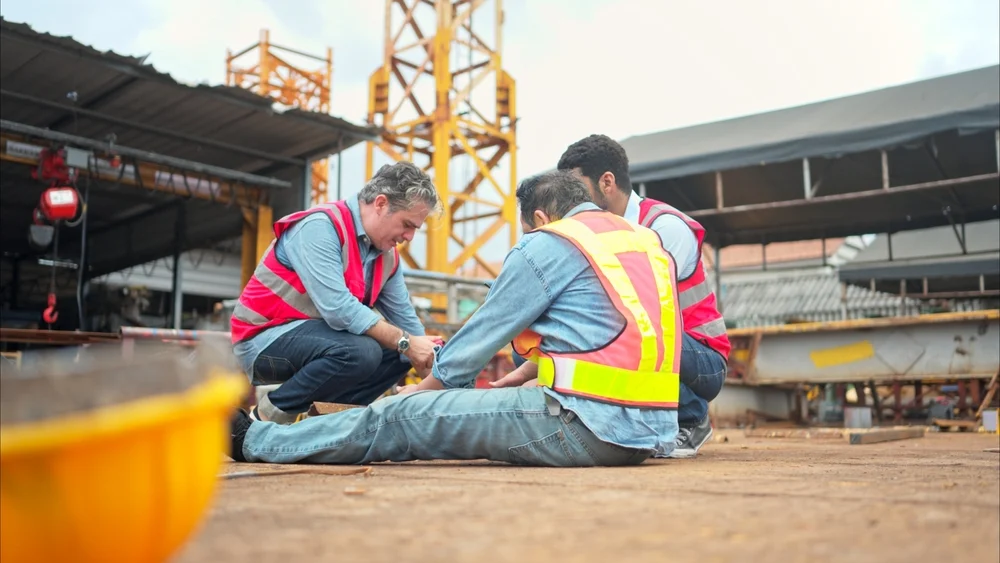
By the time a scaffold fall happens, the problem usually started long before the worker left the ground. Missing guardrails, a lack of tie-off points, inadequate safety planning, and pressure to keep working can all contribute to an accident that never should have happened in the first place.
Here at Oresky & Associates, PLLC, we’ve seen many of these no-harness construction accidents firsthand.
In one case, a construction worker was performing interior work from an elevated scaffold at a residential project in New York. The scaffold lacked guardrails, and he was not provided with a harness or other equipment to prevent a fall.
After falling more than 10 feet, he suffered serious injuries that required multiple surgeries and significantly affected his health and ability to work. Our firm ultimately secured a $1.9 million settlement on his behalf.
Cases like this are a reminder of how dangerous construction sites can become when basic safety protections are ignored. If a serious fall leaves you or a loved one facing a long recovery, Oresky & Associates, PLLC, can help you understand your rights and pursue the financial support you need to move forward.
Frequently Asked Questions
Can I Sue if I Slipped and Fell From a Scaffold?
Possibly. It depends on what caused the fall and whether proper safety protections were in place. If you fell from an elevated scaffold because guardrails, harnesses, stable platforms, or other required protections were missing, you may have a claim under New York labor laws. Scaffold accidents involving elevation-related risks are often treated differently from ordinary slip-and-fall cases.
Does the Type of Scaffold Affect My Case?
Different types of scaffolds create different safety risks. However, in many cases, the key issue is whether appropriate safety measures were in place for the work being performed and the equipment involved.
Can I Still Recover Compensation if I Helped Build the Scaffold?
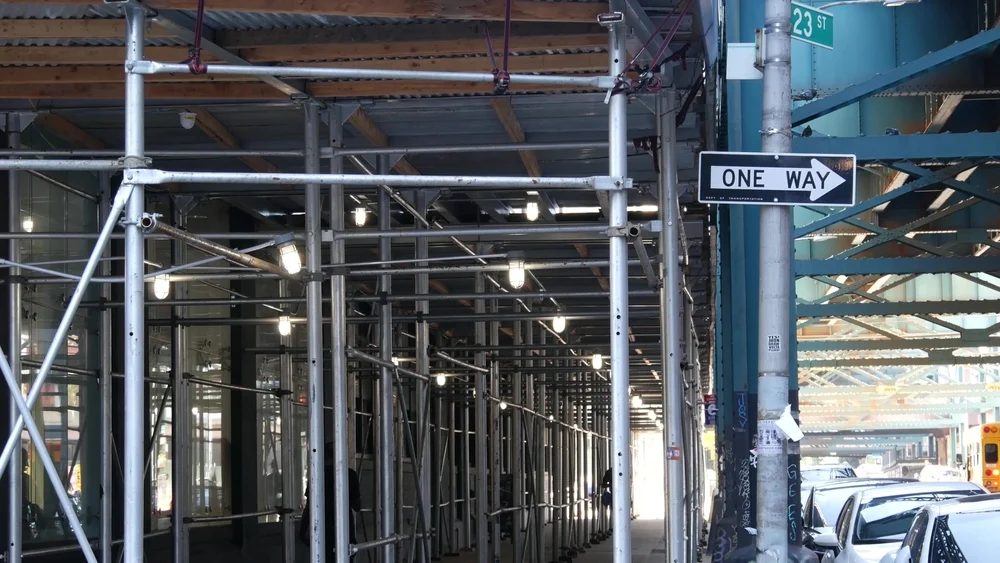
Helping assemble, move, or adjust a scaffold does not automatically prevent you from bringing a claim after a fall. The circumstances surrounding the accident still matter, including whether the scaffold was reasonably safe and whether appropriate safety measures were in place before elevated work began.
For example, you may still have a claim if guardrails were missing, no harness or tie-off system was available, the scaffold was unstable, or workers were instructed to use an incomplete platform. Every scaffold accident is different, and determining who may be responsible often requires a close examination of the job site and the conditions that existed at the time of the fall.
Can I Sue if the Scaffold Belonged to My Employer?
In many cases, injured workers may still be able to pursue compensation beyond workers’ compensation benefits even if their employer owned or supplied the scaffold. Depending on the circumstances, contractors, subcontractors, or certain building owners may also share responsibility for unsafe conditions on the construction site.
Do I Need a Scaffold Collapse Lawyer in NYC?
If you were injured when a scaffold collapsed, your legal rights may depend on what caused the accident and which parties were responsible for maintaining safe working conditions. A scaffold collapse lawyer in NYC can evaluate the circumstances of the accident and determine whether you may have a claim for compensation.
How Much Is a Scaffold Fall Case Worth in New York?
The value of a scaffold accident case depends on many factors, including the severity of the injuries, the medical treatment required, whether surgery was necessary, the amount of lost income, and the long-term impact on your ability to work and live normally. Serious scaffold falls involving permanent injuries or extensive medical care may result in substantial compensation.
Talk to an NYC Scaffold Accident Lawyer About Your Rights
If you were injured after falling from a scaffold, you may have legal options under New York law. While every case is different, accidents involving missing harnesses, guardrails, and other safety measures can give rise to significant claims.
Oresky & Associates, PLLC, has spent more than 30 years representing injured construction workers throughout New York City. Our fall from scaffold lawyers understand the challenges workers and their families face after a serious accident and are committed to helping clients pursue the compensation they need to move forward.
For a free consultation with Oresky & Associates, PLLC, call (929) 209-4492.