

New York Labor Law 240, commonly known as the Scaffold Law, protects construction workers who are injured in falls from heights or by falling objects. When proper safety equipment is not provided, certain building owners and contractors may be held absolutely liable for a worker’s scaffold accident.
These claims are different from some ordinary workplace accident cases because injured workers may be able to pursue compensation beyond workers’ compensation benefits alone.
This guide explains how the Scaffold Law in NY works, what types of accidents Labor Law 240 covers, and what injured construction workers should know about their legal rights after a serious fall or falling-object accident.
Labor Law 240 Explained for Construction Workers
Despite its nickname, New York’s Scaffold Law applies to much more than scaffolding accidents. The law generally covers workers injured while performing construction, demolition, repair, alteration, painting, cleaning, and similar work involving height-related risks.
These can include:
Falls From Scaffolds
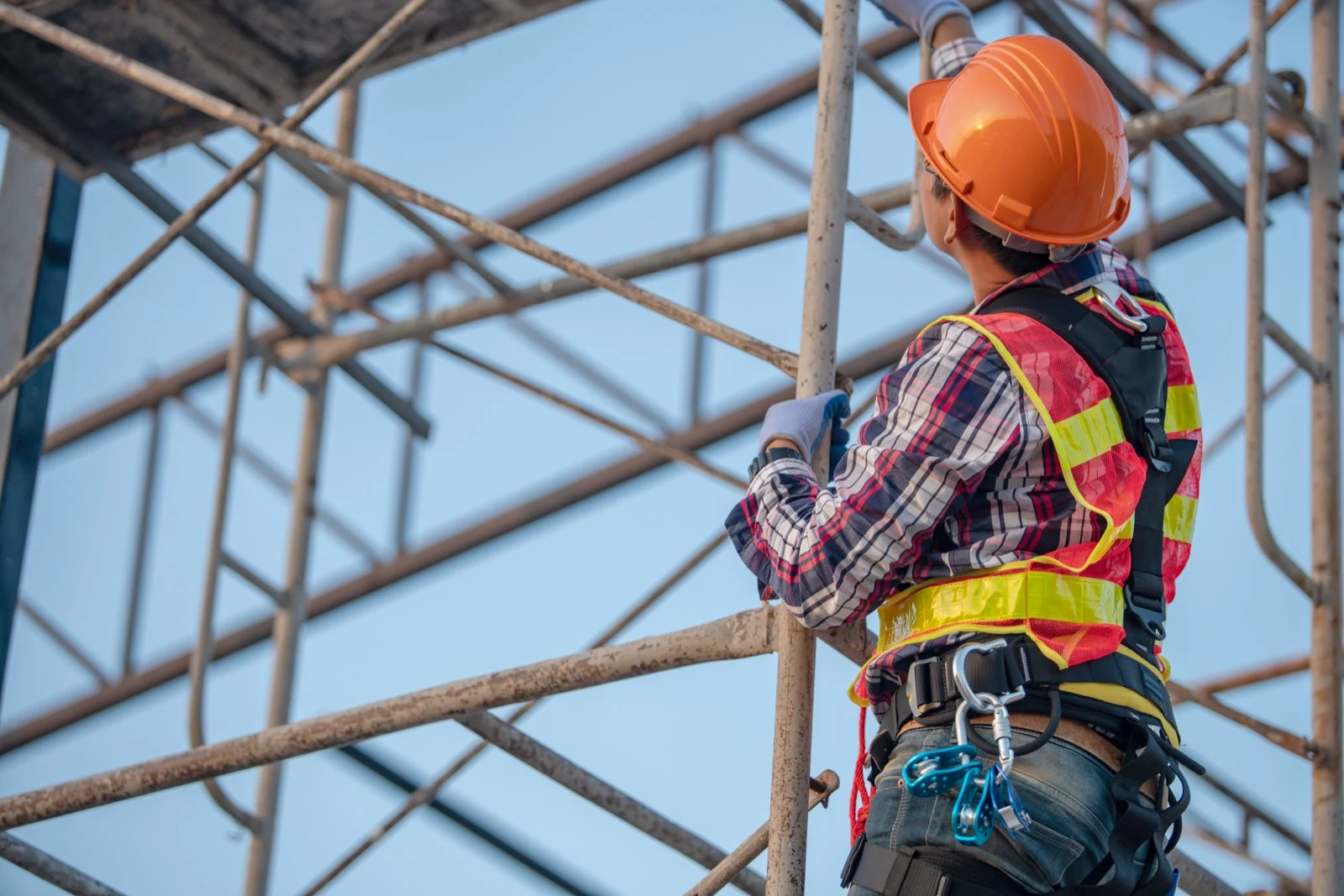
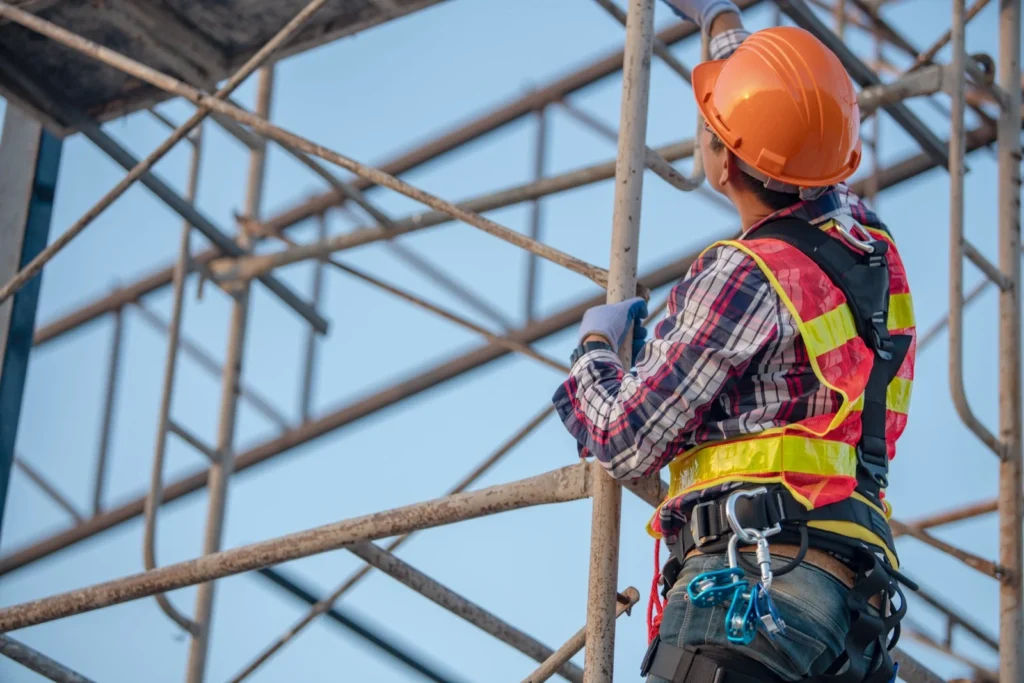
Scaffolding accidents are among the most well-known types of Labor Law 240 claims. Construction workers may suffer devastating injuries when scaffolds collapse, shift unexpectedly, lack proper guardrails, or fail to provide adequate fall protection. Workers may also be injured when scaffolding is improperly assembled or overloaded and fails.
Falls from scaffolds often result in traumatic brain injuries, spinal cord damage, broken bones, and other catastrophic injuries that permanently affect a worker’s ability to earn a living.
Falls From Ladders
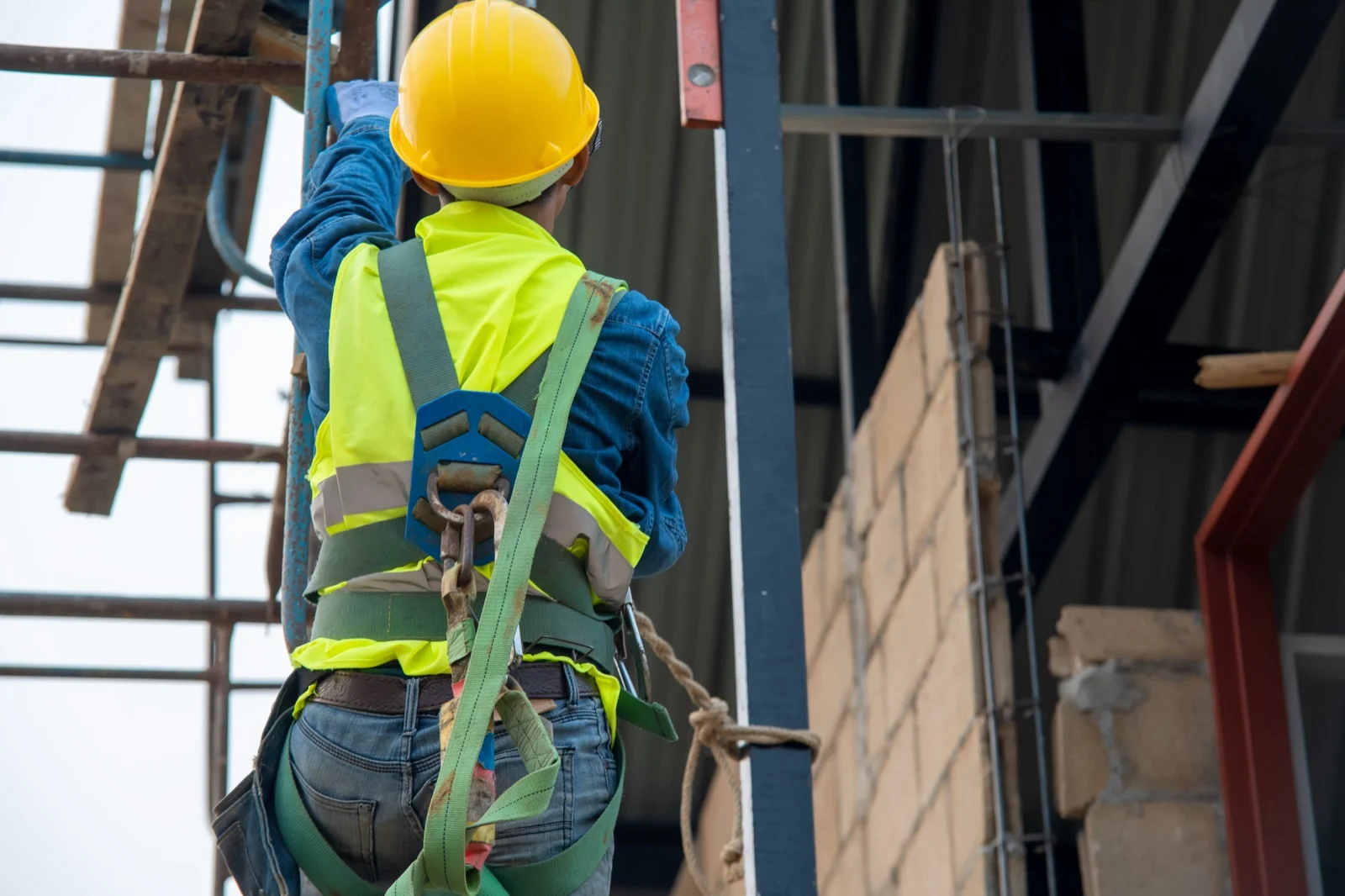
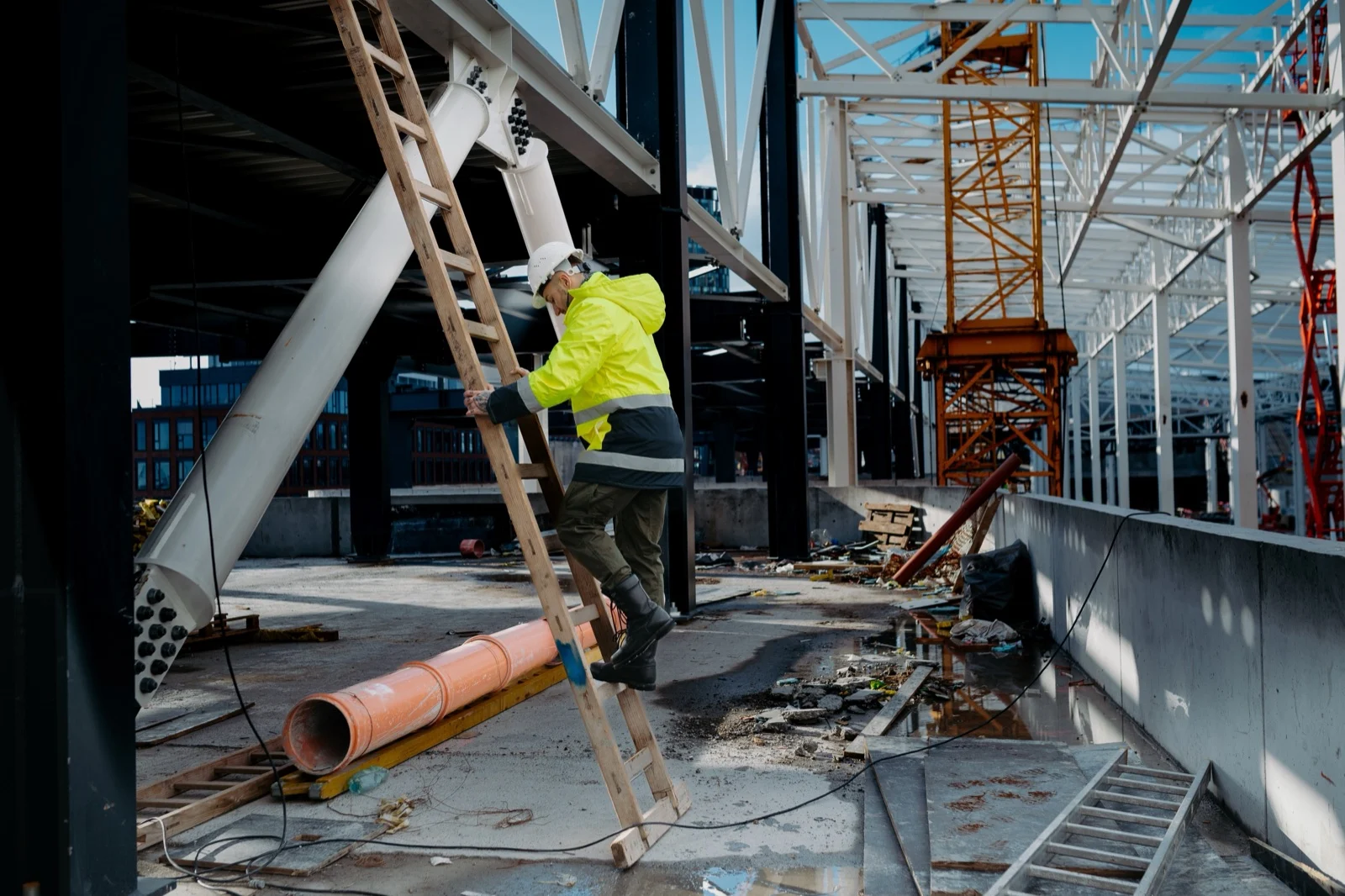
Ladder accidents are another common source of serious construction injuries in New York City. The Scaffold Law can apply when ladders fail because they are unstable, unsecured, defective, improperly positioned, or otherwise inadequate for the work being performed. A fall from a ladder may lead to serious, life-altering injuries.
Even relatively short falls can cause severe injuries, particularly on active construction sites surrounded by tools, debris, and heavy materials.
Falls From Roofs and Elevated Work Areas
Roofing work, exterior repairs, painting, window work, and similar construction jobs frequently expose workers to dangerous elevation-related hazards. Workers may fall from rooftops, roof edges, temporary platforms, or partially completed structures when proper safety systems are not provided.
Construction workers performing repair work at elevated heights qualify for protection under Labor Law 240.
Falls Through Unguarded Openings and Skylights
Construction sites often contain floor openings, elevator shafts, stair openings, and skylights that create serious fall risks. When these hazards are not properly covered, secured, or guarded, workers can suffer career-ending injuries after falling from one level to another.
These accidents are especially dangerous because workers may fall multiple stories onto concrete surfaces or exposed equipment below.
Injuries Caused by Falling Objects
Labor Law 240 does not only apply to workers who fall. The law may also apply when construction workers are struck by falling tools, building materials, debris, or improperly secured equipment in overhead work areas.
Falling-object accidents can cause severe head trauma, crushing injuries, internal injuries, and wrongful death.
What Absolute Liability in NY Construction Means for Injured Workers
Many personal injury lawsuits require an injured person to prove that another party acted negligently. New York’s Scaffold Law is different because contractors and certain building owners can be held absolutely liable when workers are injured in falls or falling-object accidents caused by inadequate safety protections.
This also means that injured workers may still recover full compensation even if they made mistakes while performing their job duties. Courts evaluating these claims consider several key Labor Law 240 elements, including the type of work being performed, whether proper safety equipment was provided, and whether the accident involved a gravity-related risk.
Why Labor Law 240 Claims Can Be So Valuable
Workers’ compensation benefits typically cover medical treatment and a portion of lost wages, but they do not compensate injured workers for pain and suffering. A Section 240 construction lawsuit allows construction workers to pursue compensation for pain and suffering, lost earning capacity, future medical expenses, and other serious financial and personal losses, including lost union benefits.
For workers who suffer catastrophic injuries in scaffold falls, ladder accidents, and falling-object accidents, these claims can be critical to protecting their long-term financial future.
Who Can Be Held Liable Under Labor Law 240?
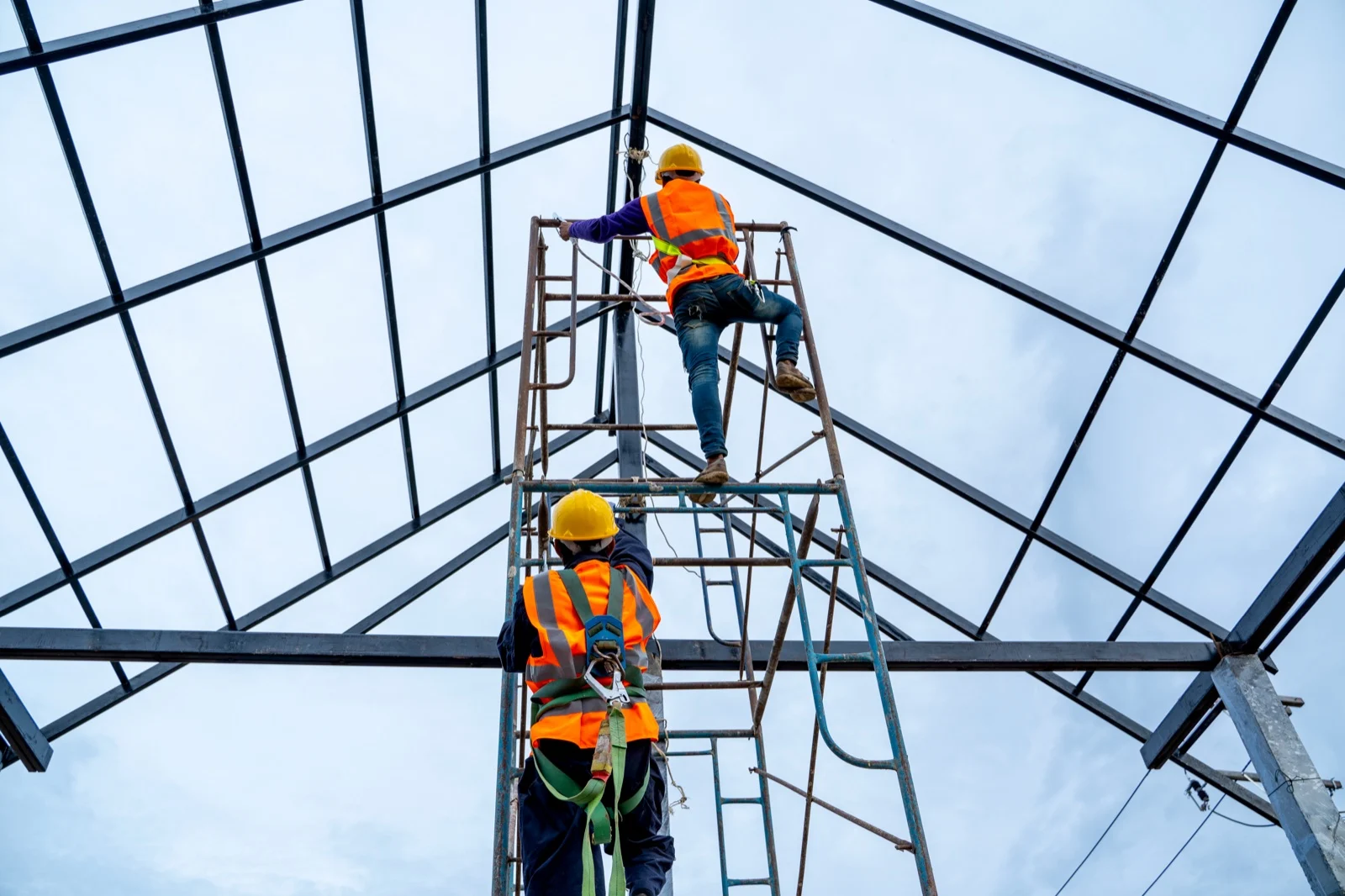
Many injured workers assume they must sue their employer after a scaffold or ladder accident. In reality, these claims are brought against third parties responsible for construction site safety.
Building Owners
Building owners may be held liable when workers are injured because adequate fall protection or other required safety measures were not provided. However, some residential property owners are exempt under New York law, particularly residential owners of one- and two-family homes who did not direct or control the work.
Contractors
Contractors that have the authority to supervise and control the work are held accountable by the Scaffold Law because they are legally liable for job site safety and for coordinating the work being performed.
Under New York law, this responsibility is considered “nondelegable,” meaning contractors and certain building owners generally cannot avoid liability by assigning responsibility to another company involved in the project.
Why Scaffold Law Claims Are Filed Against Third Parties, Not Employers
After a construction accident, injured workers receive workers’ compensation benefits through their employer’s insurance. In most cases, workers’ compensation laws prevent employees from separately suing their direct employer for the accident.
Instead, Scaffold Law lawsuits are commonly filed against third parties responsible for safety at the construction site.
These lawsuits are important because they may allow injured workers to recover compensation beyond workers’ compensation benefits alone.
Labor Law 240 Verdicts and Settlements Can Be Substantial
Falls from elevated construction sites can cause catastrophic injuries that permanently change a worker’s life. Serious head injuries, spinal cord trauma, multiple fractures, and permanent disabilities often leave workers unable to return to construction work and facing years of medical treatment.
The amount recovered in a Scaffold Law case often depends on how severely the accident affected the worker’s health, ability to earn a living, and long-term quality of life.
The value of a construction accident case may depend on factors such as:
- The severity of the worker’s injuries
- Whether the injuries caused permanent disability
- The worker’s lost earnings and future earning capacity
- The cost of ongoing medical care
- Whether the worker can return to construction work
- Loss of union benefits
- The pain and suffering caused by the accident
At Oresky & Associates, PLLC, we have seen how devastating scaffold falls and other serious construction accidents can be for workers and their families. Many injured workers suddenly find themselves unable to work, facing major medical bills, and worrying about how they will support the people who depend on them.
Our firm takes these cases seriously because we understand what is at stake after a catastrophic construction injury. The following results reflect some of the recoveries we have obtained for injured construction workers in New York.
$23 Million Scaffold Accident Verdict
In a 2025 verdict, a jury awareded $23 million to two construction workers, represented by our firm, who suffered catastrophic injuries after a fall from a ladder jack scaffold approximately 20 feet above the ground.
At the time of the accident, the workers were performing façade stucco work and window and door repairs using a pipe scaffolding setup involving ladders, platforms, and bicycles. According to the claim, the site lacked critical fall protection equipment, including safety harnesses, safety belts, safety lines, and adequate tie-off points.
The verdict reflected the devastating impact the accident had on the workers’ health, livelihood, and future.
$4.25 Million Scaffold Collapse Settlement
In a 2022 case, our firm secured a $4.25 million settlement for a construction worker injured in a scaffold collapse involving a Baker scaffold that lacked wheel locks, side railings, and other necessary fall-protection devices.
The defense argued that the worker was partially responsible for the accident. However, the court granted summary judgment in favor of our client, finding that the defendants violated New York’s Scaffold Law. The court further held that the worker’s alleged comparative fault did not defeat liability under Labor Law 240(1).
As a result, the worker was able to secure full compensation for his injuries despite the defense’s attempts to shift blame.
What if I Was Partially at Fault?
Insurance companies often try to blame injured workers after serious construction accidents. They may argue that the worker was distracted, rushed, or made mistakes while performing the job.
That does not automatically prevent an injured worker from bringing a Scaffold Law claim.
For example, our firm obtained a $5 million settlement on behalf of a construction worker who fell while performing framing work from a 10-foot A-frame ladder during a Manhattan apartment renovation project. The defense argued that the worker was partially at fault because he was allegedly using the ladder in a closed position rather than fully opened. We were able to show that at most the worker was only partially at fault for this accident, which is not a defense to the absolute liability provisions of the New York State Labor Law.
Cases like these often come down to the work being performed, the safety devices available, safety instructions, and how the accident happened.
Does Labor Law 240 Apply if I Am Undocumented or Paid in Cash?
Yes. Construction workers still have rights under Labor Law 240 regardless of their immigration status or how they were paid.
Many construction workers in New York are undocumented or receive cash payments for their work. Unfortunately, some contractors and insurance companies try to use this against injured workers after serious accidents. However, immigration status does not prevent an injured worker from pursuing a Labor Law 240 claim.
What matters is whether the worker was performing qualifying construction-related work covered under the law at the time of the accident.
Construction workers should also know that these protections are not limited to union workers or workers with formal employment paperwork. Courts generally look at the nature of the work being performed and the circumstances surrounding the accident itself.
No construction worker should assume they are automatically disqualified from seeking compensation after a serious accident because of their immigration status or how they were paid.
Does Labor Law 240 Apply to Residential Construction Projects?
It depends on the type of residential property involved and who controls the work being performed.
Labor Law 240 applies to construction, renovation, repair, roofing, painting, and similar work performed on residential buildings throughout New York City. However, the law contains an important exception for owners of one- and two-family homes who do not direct or control the work and reside at the property.
This means some homeowners may be exempt from liability under the Scaffold Law if they hired contractors to perform work on their property but did not direct or control the work.
However, many residential construction projects may still qualify for Labor Law 240 protections, including:
- Apartment building construction
- Multi-family residential projects with over two families
- Condominiums with over two families
- Co-op related construction and work
- Large-scale residential renovations
- Residential buildings where owners or contractors directed and controlled the work
Because these cases can become legally complex, injured workers should speak with an attorney as soon as possible after a residential construction accident.
Frequently Asked Questions About Labor Law 240
Does Labor Law 240 Apply if I Made a Mistake?
Yes, the worker’s comparative fault is not a defense to a Labor Law 240(1) case. Injured workers may still have the right to pursue compensation when inadequate safety equipment or fall protection contributed to the accident.
Can I File a Labor Law 240 Claim if I Am Classified as an Independent Contractor?
Yes. Being labeled an “independent contractor” does not automatically prevent someone from bringing a Scaffold Law claim. In many cases, the more important issue is the type of construction project, ownership, and whether a general contractor was involved in the project. For example, an independent contractor hired to work on the roof of a commercial building will still be entitled to the protections under the Labor Law.
How Long Do I Have to File a Labor Law 240 Lawsuit?
In New York, construction accident lawsuits are generally subject to a three-year statute of limitations. However, claims involving New York City or other municipalities may involve significantly shorter deadlines, including filling requirements that apply within 90 days. Injured workers should speak with a construction accident attorney as soon as possible after an accident to protect their rights.
Can I Receive Workers’ Compensation and Also Sue Under Labor Law 240?
Yes, many injured construction workers pursue both workers’ compensation benefits and a third-party Labor Law 240 lawsuit at the same time. Workers’ compensation may cover medical treatment and lost wages, while a Scaffold Law claim may allow workers to pursue additional compensation, including damages for pain and suffering.
Get Answers About Your New York Scaffold Law Case
Construction workers who fall from scaffolds, ladders, roofs, and other elevated surfaces often suffer devastating injuries and face an uncertain future. Labor Law 240 gives injured workers important legal protections, but construction companies and insurers may still try to deny responsibility or minimize the value of a claim.
Oresky & Associates, PLLC, has spent more than 30 years fighting for injured construction workers throughout New York City. Our legal team understands the complexities of Scaffold Law lawsuits in NY and will work to hold responsible parties accountable for failing to provide proper safety protections at construction sites.
Contact Oresky & Associates, PLLC, at (929) 209-4492 for a free, confidential consultation today.