


Herniated disc settlements in NY construction cases depend on the severity of the injury, whether surgery is needed, how the injury affects your ability to work, and whether a third-party lawsuit may be available beyond workers’ compensation. In construction cases, New York Labor Law may also play a major role, especially when the injury resulted from a fall from a height or from a falling object.
What Construction Workers Should Know About Herniated Discs
When people refer to a herniated disc, they are talking about a spinal condition where the soft, jelly-like center of a spinal disc pushes through a tear in its tough outer ring. This protruding material can press on nearby spinal nerves or the spinal cord, causing localized pain, numbness, or weakness. These injuries commonly affect the:
- Cervical spine (C1-C7): Herniated discs in this area can cause neck pain, shoulder pain, headaches, and symptoms that radiate into the arms or hands.
- Thoracic spine (T1-T12): Thoracic disc herniations are less common but may cause upper or mid-back pain, numbness, or discomfort around the ribs and torso.
- Lumbar spine (L1-L5 and L5-S1): The lower back portion of the spine is where many construction-related disc injuries occur. L5-S1 herniations from construction injuries can place pressure on nerves traveling into the hips and legs, sometimes causing sciatica, weakness, or difficulty with physical movement.
Symptoms can vary depending on the location and severity of the injury. Some workers experience persistent neck or lower back pain, while others develop nerve-related symptoms that radiate into the arms or legs. Numbness, tingling, muscle weakness, burning sensations, and difficulty performing physical tasks are also common complaints after a herniated disc injury.
How Herniated Discs Happen in NYC Construction Accidents

Construction sites expose workers to sudden falls, heavy impacts, unstable surfaces, and other hazards capable of causing serious spinal injuries. Herniated discs often occur when the spine absorbs a strong jolt, twisting motion, or direct impact during a workplace accident.
Some of the most common causes of herniated disc injuries on New York construction sites include:
- Falls from scaffolds, ladders, roofs, and other elevated surfaces
- Slip and fall or trip and fall accidents on uneven or debris-covered worksites
- Falling tools, materials, or equipment striking a worker
- Heavy lifting accidents involving twisting or overexertion
- Crane, demolition, and excavation accidents
- Sudden jolts or compression injuries during workplace accidents
Falls from heights are especially dangerous because the force of impact can place enormous pressure on the neck and lower back. Even workers who initially believe they suffered only a strain or minor back injury may later discover disc damage after their symptoms become more severe.
The Biggest Factors That Affect Herniated Disc Settlement Amounts
Several factors can affect how much compensation an injured construction worker may recover after a herniated disc accident in New York. Two workers may suffer similar back injuries but receive very different settlement amounts depending on the medical evidence, the impact on their ability to work, and the circumstances surrounding the accident.
Severity of the Injury and Need for Surgery

In general, more severe spinal injuries tend to result in higher settlement values. Some herniated disc symptoms improve with physical therapy, injections, medication, and rest. Others require more extensive treatment, including discectomy surgery, spinal fusion surgery, or long-term pain management.
Because spinal fusion is often associated with more serious injuries and longer recovery periods, a spinal fusion settlement in a construction accident case may be worth more than a claim involving conservative treatment alone.
Surgical cases often have higher recoveries because they typically involve:
- Greater physical pain and limitations
- Longer recovery periods
- Higher medical costs
- A greater likelihood of permanent impairment
However, surgery is not the only factor that matters. A worker who cannot return to construction work because of chronic pain, restricted mobility, or ongoing nerve symptoms may still have a significant claim even without surgery.
Lost Income and Earning Capacity
Many construction workers with herniated discs miss substantial time from work while recovering. Some cannot return to the same type of physically demanding labor they performed before the accident.
Settlement value may increase when the injury affects:
- Future earning ability
- Union wages and benefits
- Overtime opportunities
- Career advancement in the trades
A younger worker with permanent lifting restrictions may face years of reduced earning capacity, particularly in industries that depend heavily on physical labor.
Future Medical Costs and Long-Term Care

Some herniated disc injuries require ongoing medical treatment long after the initial accident. Future damages may include:
- Physical therapy
- Pain management treatment
- Follow-up injections
- Prescription medication
- Future surgery
- Assistive medical devices
In more serious cases, medical experts and life-care planners may evaluate the long-term cost of living with the injury.
Strength of the Medical Evidence
Medical evidence plays a major role in herniated disc cases because insurance companies frequently argue that back injuries are degenerative or unrelated to the accident.
Important evidence may include:
- MRI findings
- Surgical records
- Treatment history
- Physician opinions
- Work restriction documentation
Consistent medical treatment and clear documentation connecting the spinal injury to the construction accident can significantly strengthen a claim.
How State Labor Laws Can Affect Herniated Disc Settlements

Construction workers who suffer herniated disc injuries in falls from heights or falling-object accidents have strong legal protections under New York Labor Law 240(1), commonly known as the Scaffold Law.
This law requires contractors and certain building owners to provide proper safety equipment and protection for elevation-related work. For some injured workers, a herniated disc lawsuit in New York may provide access to compensation that is not available through workers’ compensation alone.
Labor Law 240(1) often becomes important in accidents involving:
- Scaffold falls
- Ladder falls
- Roof falls
- Falls from elevated platforms
- Falling tools, equipment, or construction materials
These cases can significantly affect settlement value because liability is often easier to establish than in ordinary negligence claims. In many gravity-related construction accident cases, defendants cannot avoid responsibility simply by arguing that the worker was partly at fault for the accident.
For injured construction workers with serious herniated disc injuries, this can create stronger leverage during settlement negotiations and at trial.
Insurance Companies May Offer Less Than What Your Case Is Worth

Unlike a broken bone or other visible trauma, a herniated disc injury can become a battle over medical evidence, imaging results, and the worker’s long-term limitations. Even when a worker is in significant pain, insurers may argue that the injury is less serious than the medical records suggest or claim that the condition existed before the accident.
Insurance companies frequently blame symptoms on degenerative disc disease or normal wear and tear rather than the construction accident itself. They may also rely on so-called “independent” medical examinations that minimize the worker’s symptoms, question the need for treatment, or suggest the worker can return to work sooner than their treating physicians recommend.
Insurance companies may try to settle cases early before the long-term effects of the injury are fully understood. Some workers initially believe their condition will improve, only to discover they need surgery, ongoing treatment, or permanent work restrictions.
These tactics can place injured construction workers in a difficult position, especially when they are already dealing with lost income, medical appointments, and pressure to support their families. Accepting a settlement too early may leave a worker without enough compensation to cover future treatment or the lasting impact of the injury.
How Long Do Herniated Disc Cases Take in New York?
There is no set timeline for a herniated disc construction accident case in New York. Some claims resolve within months, while more serious cases involving surgery, permanent limitations, or disputed liability may take several years.
These cases often take time because the full impact of a spinal injury is not always clear right away. A worker who starts with physical therapy or injections may later need surgery or long-term pain management. Settlement discussions are usually stronger once the worker’s future medical needs and work limitations are better understood.
The legal process can also affect timing. Construction accident lawsuits may involve contractors, subcontractors, certain building owners, workers’ compensation carriers, and insurance companies. Although many injured workers want a quick resolution, settling too early can be risky if the long-term effects of the herniated disc are still unclear.
Real Herniated Disc Construction Accident Cases From Oresky & Associates, PLLC

Spinal injuries are common in serious construction falls, especially when workers lack proper protection at elevated worksites. At Oresky & Associates, PLLC, we have represented injured construction workers in scaffold accidents, demolition accidents, and other fall-related cases involving herniated discs and lasting back injuries.
Some examples include:
- $7.5 million settlement: A construction worker suffered severe neck and back injuries after falling from an unsecured scaffold during demolition work in Brooklyn. The accident caused significant disc damage that required both cervical and lumbar spine surgery, along with surgeries to the worker’s knee and shoulder.
- $1.9 million settlement: A worker fell approximately 10 to 15 feet from an unguarded scaffold at a residential construction project in Westchester County. In addition to serious internal injuries and multiple fractures, the worker suffered neck and lower back disc injuries that caused ongoing pain and physical limitations.
- $1.5 million settlement: A Manhattan construction worker fell through a skylight while performing work at a high-rise project. The accident caused neck and lower back disc herniations that required extensive pain management treatment, along with multiple surgeries involving the worker’s arm and knees.
These results reflect more than case numbers. They represent workers whose lives changed because basic safety protections were not in place. Our team works to protect injured construction workers from owners, contractors, and insurers who try to minimize what happened or push them to accept less than they deserve.
Frequently Asked Questions
Can You Recover Compensation for a Herniated Disc Without Surgery?
Yes. While herniated disc cases involving surgery are often more valuable because they typically involve more serious injuries and longer recovery periods, surgery is not required to pursue compensation.
Some injured construction workers continue to experience significant pain, nerve symptoms, mobility limitations, or an inability to return to physical labor even without surgery. Medical records, MRI findings, work restrictions, and the overall impact of the injury on the worker’s daily life can all play an important role in the case.
Can I Sue if My Herniated Disc Was Preexisting?
Many workers already have some degree of spinal degeneration or prior back problems before a construction accident occurs. That does not necessarily prevent them from pursuing compensation.
If a workplace accident worsened a preexisting condition or caused a previously manageable issue to become significantly more painful or disabling, the worker may still have a valid claim. Insurance companies often dispute these cases, which is why medical documentation and physician opinions can become especially important.
What Happens if Workers’ Compensation Has Already Paid for My Treatment?
Receiving workers’ compensation benefits does not prevent an injured construction worker from pursuing a third-party lawsuit. A third-party lawsuit may allow the worker to pursue additional compensation that is not available through workers’ compensation alone.
Speak With a Lawyer About Your Back Injury from a Construction Accident in NYC
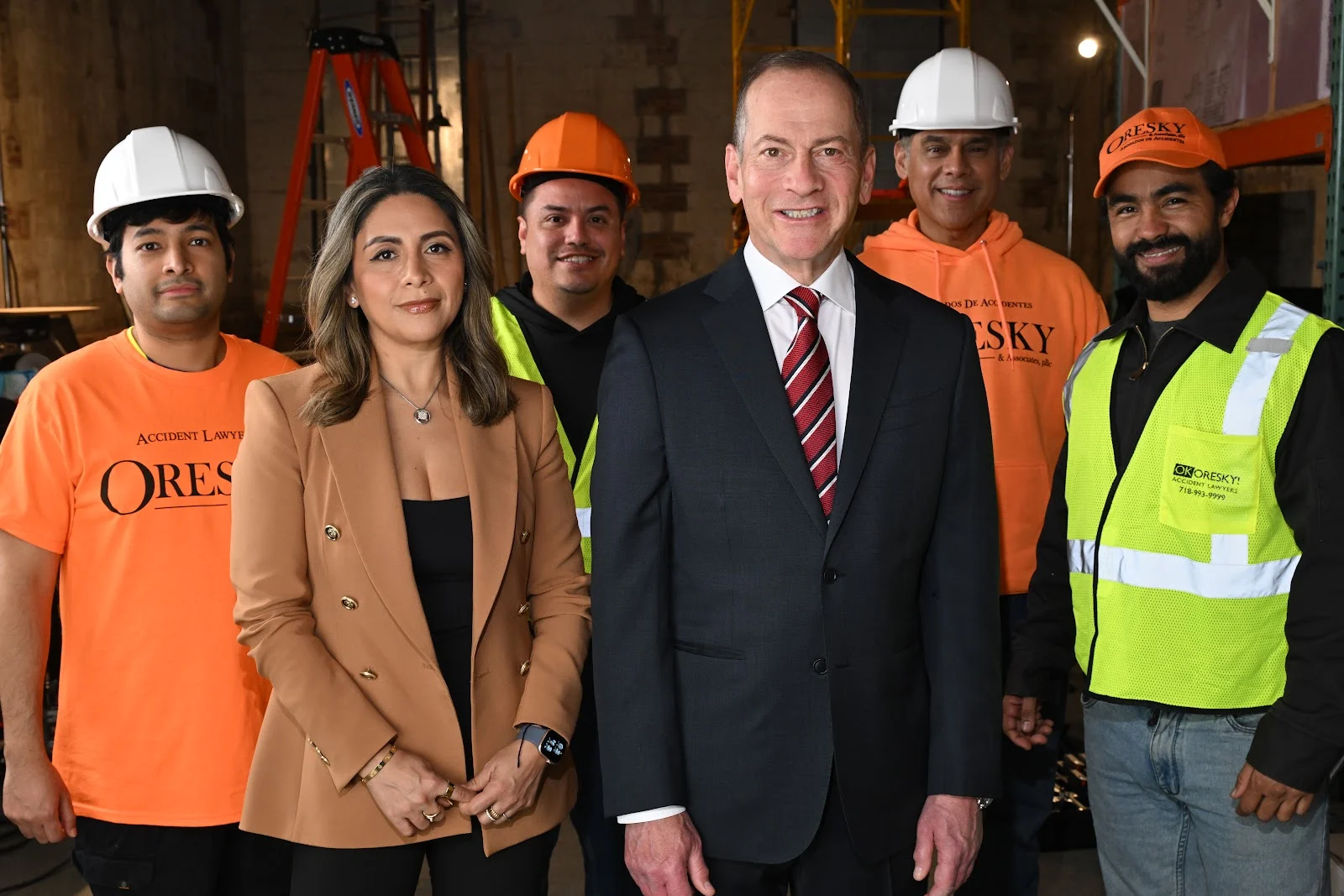
A serious back injury can affect nearly every part of a construction worker’s life, from physical pain and medical treatment to missed work and uncertainty about the future. Many injured workers feel pressured to move on quickly before they fully understand the long-term effects of their injuries.
At Oresky & Associates, PLLC, we understand how overwhelming that situation can feel. Our firm works with injured construction workers throughout New York City who are trying to protect their health, support their families, and make informed decisions about what comes next.
If you suffered a herniated disc in a scaffold fall, ladder accident, demolition accident, or another construction-related incident, you can contact Oresky & Associates, PLLC, at (929) 209-4492 to learn more about your legal options.