

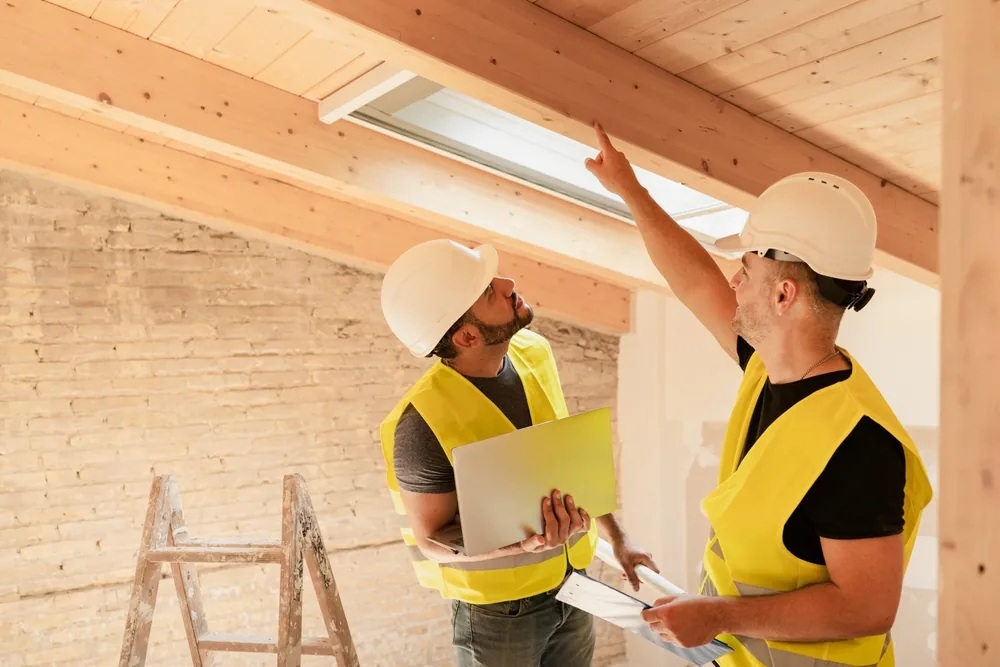
Construction sites across New York City are constantly changing, and the NYC Department of Buildings (DOB) monitors them for hazards that put workers and the public at risk. When inspectors find serious safety violations, they can issue a Stop-Work Order, requiring some or all construction activity to stop until the dangerous conditions are corrected. In some situations, a Stop-Work Order also becomes important evidence when investigating how a construction accident happened.
What Is a NYC Department of Buildings Stop-Work Order?
A Stop-Work Order (SWO) is an enforcement action issued by the New York City Department of Buildings when inspectors identify serious safety hazards, violations of the New York City Construction Codes, or other conditions that make a construction site unsafe. A Stop-Work Order immediately halts the affected work until the cited issues are corrected and the DOB authorizes construction to resume.
Stop-Work Orders are intended to prevent injuries before unsafe conditions lead to a serious accident. Common conditions that may lead the DOB to issue a Stop-Work Order include:
- Dangerous fall hazards or missing guardrails
- Unsafe scaffolds or inadequate worker protections
- Unsafe demolition or excavation work
- Structural instability or conditions that create a risk of collapse
- Work performed without the required permits
- Construction that does not conform to approved plans
According to the DOB, many Stop-Work Orders stem from preventable safety and compliance failures. During the first quarter of 2026, common violations included work performed without the required permits, construction that did not conform to approved plans, failures to safeguard workers and the public, inadequate housekeeping, and missing guardrails or other required safety equipment.
Does a Stop-Work Order Mean All Work Must Stop?
Not always. A SWO may be issued as either a Full Stop-Work Order or a Partial Stop-Work Order, and the type of order determines what work must stop.
A Full Stop-Work Order suspends all work covered by the order until the violations are corrected and the DOB rescinds it. Limited work necessary to correct the violations or make the site safe may still be permitted, but that is not the same as resuming normal construction.
A Partial Stop-Work Order applies only to specific work, equipment, or areas of the project. Construction activities outside the scope of the order may continue.
Workers should never assume a Stop-Work Order has been lifted simply because construction activity continues elsewhere on the site.
What Should You Do if You’re Injured After a Stop-Work Order?
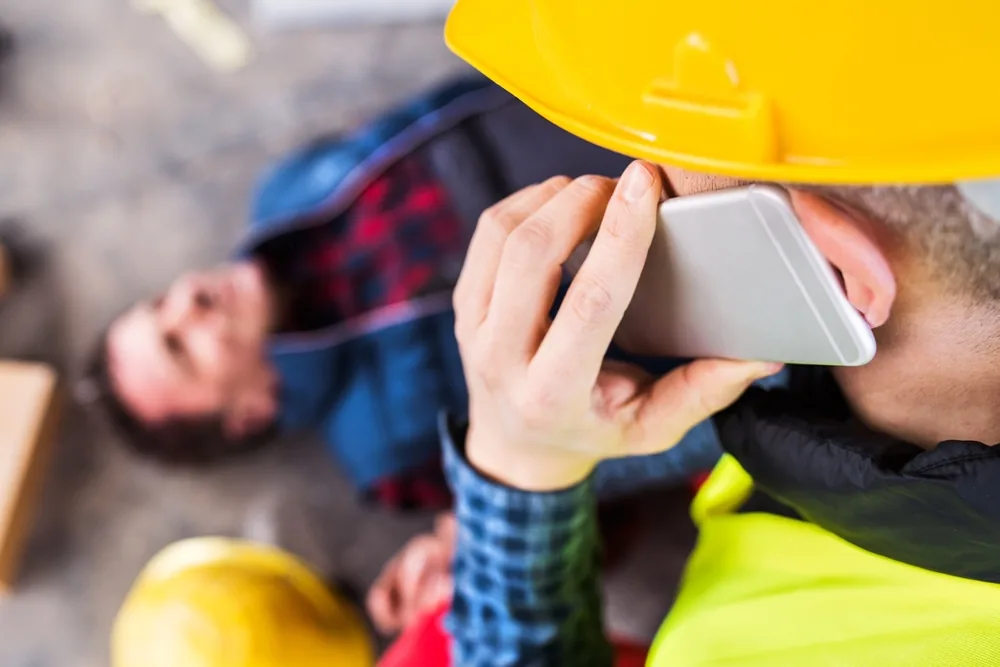
If you’re injured after a Stop-Work Order has been issued, the steps you take in the hours and days that follow can affect both your recovery and your ability to document what happened. While every accident is different, there are several important actions construction workers should consider after a job site injury.
Seek Medical Attention
Your health should always come first. Seek medical care as soon as possible, even if your injuries don’t seem serious at first. Some construction accident injuries, including head trauma, internal injuries, and soft tissue damage, may not produce immediate symptoms. Prompt medical treatment also creates records documenting the nature and extent of your injuries.
Report the Accident
Report your injury to your employer as soon as possible. If you’re able, provide written notice describing when and where the accident occurred, how it happened, and the injuries you sustained. Keeping a copy of that report for your own records can help if questions arise later.
If the accident involved conditions that were the subject of a SWO, include that information in your report. Those details may become important later if the circumstances of the accident are investigated.
If the dangerous conditions remain uncorrected or continue to place workers at risk, they can also be reported to the NYC Department of Buildings through 311:
- Building construction complaint
- Building demolition complaint
- Crane or derrick complaint
- Excavation undermining nearby building
- Other complaints
Depending on the nature of the hazard, workers may also file a safety complaint with the Occupational Safety and Health Administration (OSHA), which investigates workplace safety concerns under federal law.
Preserve Evidence
If you can do so safely, gather information that may help document the accident. Photographs of the work area, the equipment involved, visible hazards, and your injuries can all become valuable evidence. If coworkers witnessed the accident or the unsafe conditions that led to it, make a note of their names and contact information. Keeping copies of incident reports, medical records, and other documents related to the accident may also be helpful as your case moves forward.

DOB Inspection Records Matter After a Construction Accident
If you’re injured on a construction site, DOB inspection records may provide important evidence about the conditions that existed before the accident. They can show whether inspectors previously identified safety hazards, code violations, or other issues that should have been addressed before anyone was hurt.
Inspection records and related documents may include:
- The date of the inspection
- The violations inspectors observed
- Photographs or other documentation gathered during the inspection
- Whether the violations were corrected
- Whether the site had a history of repeated violations or Stop-Work Orders
Together with accident reports, witness statements, and other evidence, these records can help paint a clearer picture of what happened and whether preventable hazards contributed to the accident.

What Are Your Legal Options After a Construction Accident?
Construction workers injured on the job are often entitled to workers’ compensation benefits regardless of who was at fault. In some situations, they may also have the right to pursue a third-party personal injury claim against someone other than their employer.
A SWO does not automatically establish legal responsibility for a construction accident. However, if a worker is injured after construction continues despite serious safety violations, the conditions that led to the order may become important evidence when determining how the accident happened and whether someone failed to meet their legal obligations.
Liability depends on what caused the accident, who controlled the work, and who was responsible for correcting the unsafe conditions. On many construction projects, more than one party may share responsibility. Potentially responsible parties include:
- General contractors, who are often responsible for coordinating work and maintaining safe conditions on the job site.
- Building owners who have legal duties under New York law. For example, Labor Law 240(1) requires contractors and most building owners to provide proper protection against elevation-related hazards. One important exception is owners of one- and two-family homes who do not direct or control the work. Labor Law 241(6) also requires construction, demolition, and excavation work to comply with specific safety requirements established by the Industrial Code.
- Construction managers, subcontractors, and other third parties whose actions or failure to address dangerous conditions contributed to the accident.
When stop-work orders, inspection records, and other evidence are reviewed together, they can provide a clearer picture of what happened before the accident and whether known safety hazards went uncorrected.

A Construction Accident Lawyer Can Protect Your Rights
A construction accident changes your life in an instant. While you’re trying to recover from your injuries and figure out how to support yourself and your family, construction companies, insurance carriers, and their investigators are already working to protect their own interests. If a Stop-Work Order was issued before or after the accident, there may be critical questions about why unsafe conditions were allowed to exist in the first place—and who should be held accountable.
For more than 30 years, Oresky & Associates, PLLC has stood alongside injured construction workers from across the trades throughout New York City. We understand the realities of construction work because we’ve spent decades investigating accidents on projects that keep New York growing.
A Stop-Work Order may point to serious safety failures, but it rarely tells the whole story. Our attorneys look beyond the order itself, examining DOB inspection records, construction documents, witness statements, and other evidence to determine what happened and who may be legally responsible. We don’t simply accept the first explanation that’s offered when a worker gets hurt.
Just as importantly, we never lose sight of the person behind the case. A serious injury can mean uncertainty about the future and enormous stress for an entire family. Our job is to shoulder the legal burden, protect your rights, and fight for the financial recovery you need while you focus on healing.
When you’ve been injured because someone failed to maintain a safe construction site, you deserve an advocate who understands both New York City’s construction industry and the laws designed to protect the people who build it.
Frequently Asked Questions
Does a Stop-Work Order Mean a Construction Site Is Permanently Closed?
No. A Stop-Work Order is intended to halt work until the conditions that prompted the order have been corrected. Once the responsible parties address the violations and the DOB determines the site complies with applicable requirements, the order may be rescinded, and construction can resume. Depending on the type of Stop-Work Order, some work may also be permitted while corrective measures are being completed.
Can I Look Up a NYC Stop-Work Order?
Yes. The NYC Department of Buildings makes many enforcement records publicly available through the DOB’s Buildings Information System (BIS). You can also review NYC 311’s Stop Work Order Map for active full and partial SWOs and rescinded SWOs from the most recent two years. Depending on the project, you may be able to view Stop-Work Orders, violations, permits, inspection results, and other records related to a construction site. These records can provide useful information about a project’s compliance history and any enforcement actions taken by the DOB.
Does a Stop-Work Order Automatically Mean Someone Was Negligent?
No. A Stop-Work Order does not automatically establish legal liability or prove negligence. It does, however, show that the DOB identified conditions serious enough to warrant enforcement action. If a construction worker is injured, the SWO and related inspection records may become important evidence when investigating how the accident happened and whether someone failed to meet their legal responsibilities.
Can I Still File a Claim if I Was Injured Before a Stop-Work Order Was Issued?
Yes. A Stop-Work Order is only one piece of evidence and does not determine whether you have a legal claim. If you were injured before the DOB issued the order, you may still have the right to pursue workers’ compensation benefits or, in some cases, a third-party personal injury claim. The key question is how the accident occurred and whether another party’s negligence or a violation of New York law contributed to your injuries.
Can My Employer Make Me Work After a Stop-Work Order?
The answer depends on the scope of the Stop-Work Order. A Partial Stop-Work Order may allow certain work to continue, while a Full Stop-Work Order generally suspends all covered work except authorized corrective measures. If you’re unsure whether the work you’re being asked to perform is permitted, ask for clarification rather than assuming the order has been lifted. If unsafe conditions persist, they can also be reported to the NYC Department of Buildings.
When Unsafe Job Sites Lead to Serious Injuries, We’re Ready to Help
A NYC Department of Buildings Stop-Work Order is more than just an enforcement action—it can be a warning that serious safety problems existed on a construction site.
If you or someone you love was injured on a construction site in New York City, you don’t have to navigate the aftermath alone. If your accident occurred on a job site with unsafe conditions or a Stop-Work Order, call (929) 209-4492 to discuss your injuries and accident during a free consultation.