

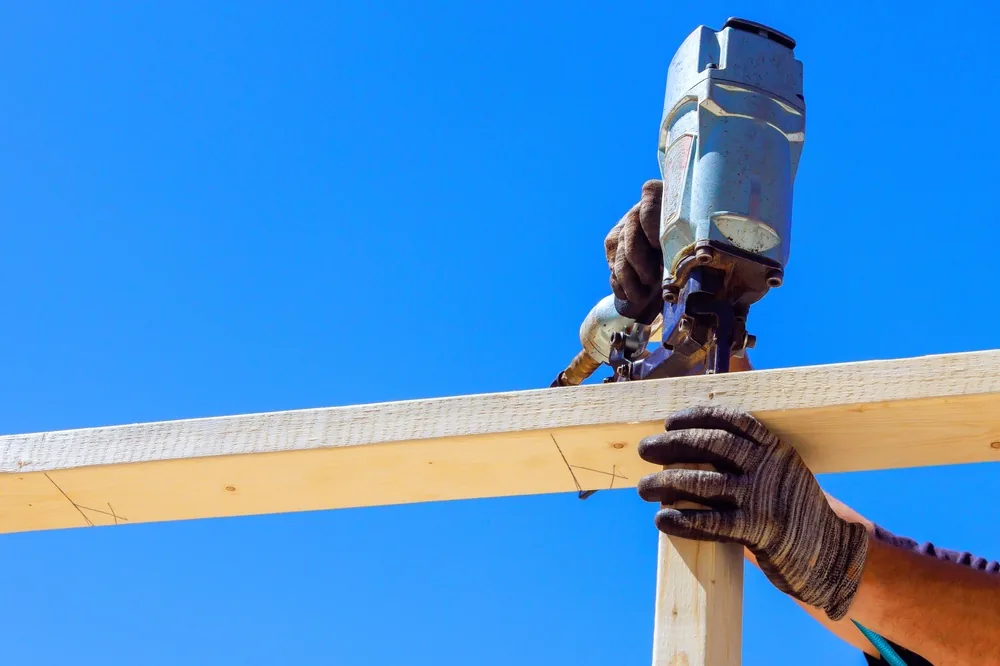
Power tools cause some of the most severe hand, eye, and limb injuries construction workers face on the job. A single moment of contact or malfunction can end a career in seconds — and for many workers, a power tool or nail gun injury on a construction site in NYC happens without any warning at all.
Workers hurt by power tools on NYC construction sites have rights under state law, and understanding those rights is the first step toward recovering the compensation an injury deserves.
Common Nail Gun and Power Tool Injuries on NYC Sites
Power tool injuries can happen in an instant, but understanding how they occur is often the first step toward figuring out what went wrong and who should be held responsible. Common injuries include:
- Nail gun injuries: Accidental discharges and ricochets can drive nails into hands, fingers, legs, and eyes, sometimes requiring emergency surgery to remove the fastener.
- Saw and grinder lacerations: Circular saws, grinders, and reciprocating saws can cause deep cuts, severed fingers, and tendon damage.
- Kickback injuries: A table saw injury during construction work can cause fractures or eye injuries when the tool strikes a worker’s body or face with sudden force.
- Crush and impact injuries: Nail guns, staplers, and pneumatic tools cause blunt trauma when they misfire or discharge unexpectedly during handling.
- Burns and electrical injuries: Damaged wiring and improperly grounded equipment can cause burns or shock injuries on active job sites.
If you’re dealing with any of these injuries, you may be facing surgery, months of physical therapy, and permanent limitations in grip strength, dexterity, or vision, on top of the stress of missing work.
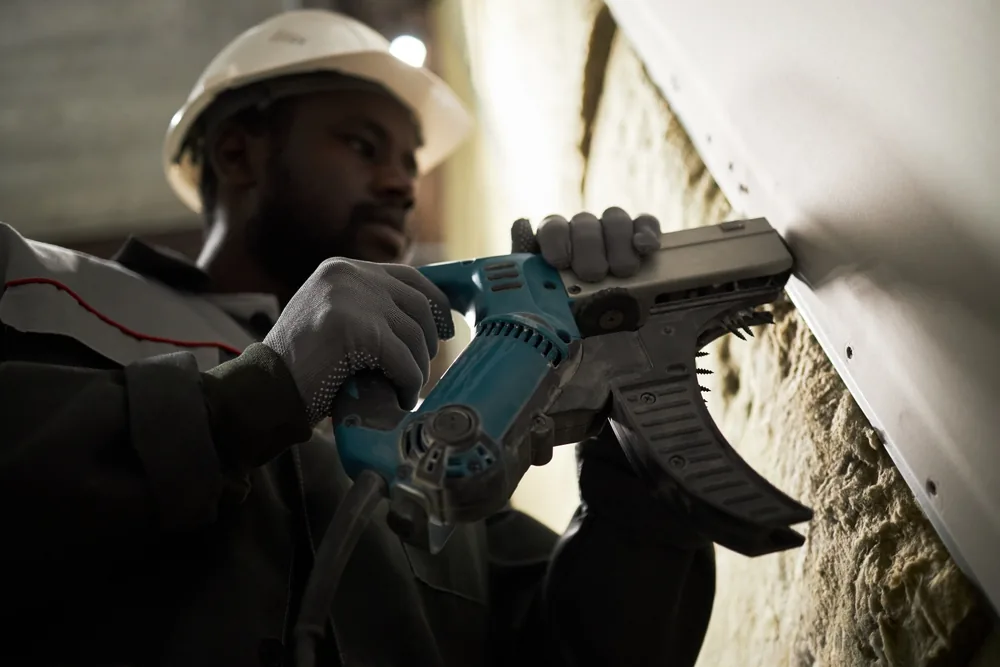
The Everyday Failures That Put Workers at Risk
Many power tool injuries stem from missing or disabled safety guards. Built-in safety mechanisms are designed to prevent accidental contact or discharge, but when they’re removed, bypassed, or never installed, a missing tool guard injury becomes far more likely.
Inadequate training is another common factor. Workers who haven’t been properly trained on a specific tool may not know how to operate it safely, recognize the warning signs of a malfunction, or respond appropriately when something goes wrong. That risk often grows on job sites where deadlines and production pressure push workers to rush through tasks, skip safety steps, or work without proper supervision.
Poor maintenance and unsafe site conditions add to the danger. Damaged cords, worn blades, and malfunctioning safety features can turn a routine task into a dangerous one, and cluttered work areas or poor lighting can increase the risk of an accident even when a tool is being used correctly. Identifying which of these factors contributed to an injury is an important part of determining who bears responsibility for what happened.
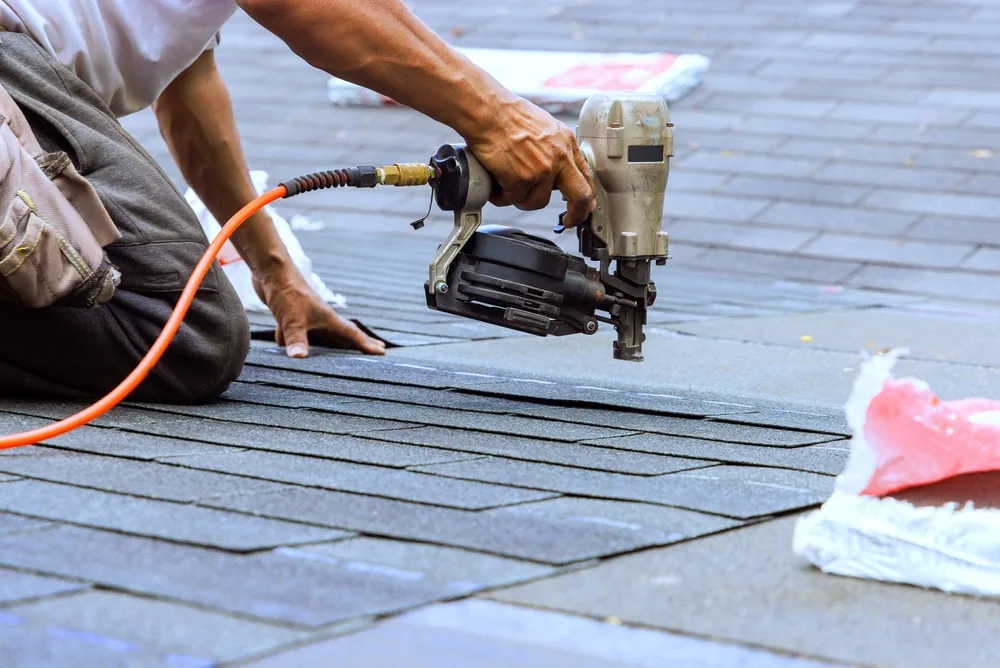
Who Can Be Held Liable for Nail Gun and Power Tool Injuries?
A power tool injury on a construction site is rarely the fault of one person alone. Contractors, subcontractors, and building owners all share a responsibility to keep a job site safe, and they may be held liable for their negligence or a violation of New York’s labor laws that contributed to an accident.
An employer who supplied a faulty or unguarded tool can share in that responsibility, since the duty to protect workers on a construction site cannot be passed off to someone else. Which laws apply, and which parties are ultimately responsible, depends on how and where the accident happened.
Labor Law 240(1) and Falling Tools
Power tools aren’t just dangerous to operate — they’re also dangerous when they fall. A power tool, nail gun, hammer or any tool left on a scaffold, ladder, or upper floor can slip or get knocked loose, striking a worker below. This is the type of gravity-related hazard Labor Law 240(1), the Scaffold Law, was written to prevent.
When a tool isn’t properly secured while work is being performed above another worker, the law applies, holding responsible parties 100% liable. Building owners and contractors can be held absolutely liable if the required safety measures for elevated tools and materials weren’t in place.
Labor Law 241(6) and the Industrial Code
Most power tool injuries happen at ground level, where the Scaffold Law doesn’t apply. Labor Law 241(6) fills that gap. It requires construction, demolition, and excavation work to follow specific safety rules laid out in New York’s Industrial Code, a detailed set of state regulations covering how equipment must be used and maintained on a job site.
Labor Law 200 and General Negligence
Not every power tool accident traces back to a specific missing safeguard. Sometimes the problem is broader, like defective tools that are being used on site despite the knowledge of the contractors in charge, or a job site so crowded and disorganized that a routine task became dangerous. Labor Law 200 covers these kinds of general safety failures on a job site.
Workers’ Comp Isn’t Your Only Option After an Injury on an NYC Construction Site
If you’re hurt by a power tool on the job, workers’ compensation is usually just the starting point. These benefits are available regardless of fault and cover medical treatment along with a portion of lost wages, but they stop there. There’s no compensation for the pain, disruption, or lasting toll a serious injury can take on your life.
That’s where a claim against a negligent third party comes in. Whether it takes the form of a grinder injury lawsuit, a nail gun lawsuit, or another type of third-party claim, pursuing this route can open the door to damages workers’ comp simply doesn’t offer, most notably compensation for pain and suffering.
Filing for workers’ compensation doesn’t close off this option. The two paths serve different purposes, and pursuing one doesn’t require giving up the other. You may be entitled to damages for pain and suffering in addition to workers’ compensation.

Moving Forward After a Power Tool Injury
At Oresky & Associates, PLLC, we’ve spent more than 30 years standing beside injured construction workers across New York City, and we understand what it takes to hold the responsible parties accountable when preventable safety failures cause serious harm.
If you were hurt by a power tool on the job, a power tool accident lawyer in NY can help you understand your options. Call us at (929) 209-4492 for a free consultation.