

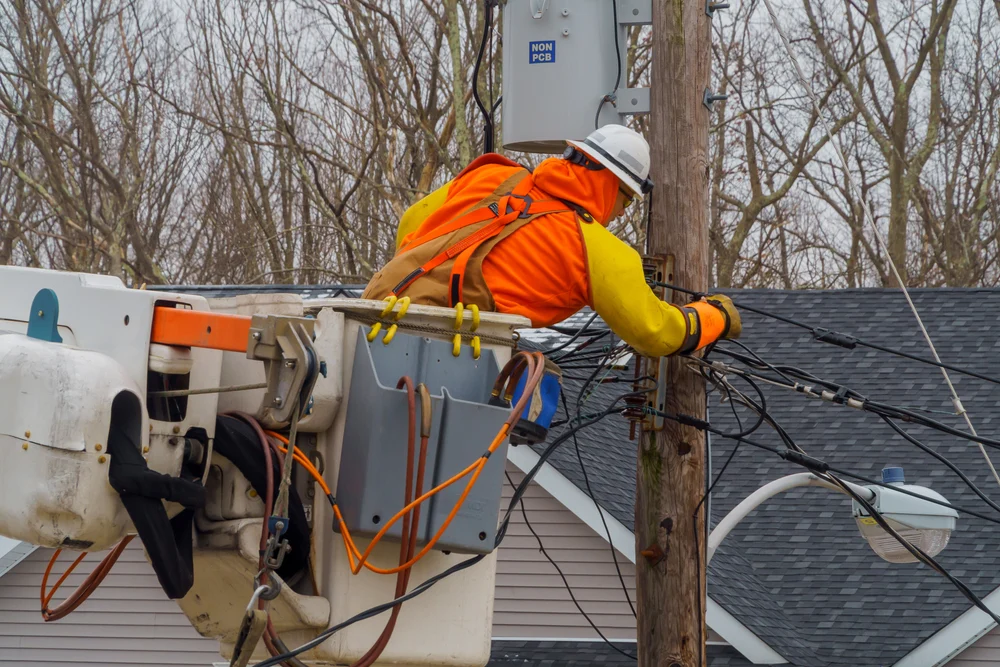
Electrical work is a critical part of construction in New York City. Electricians often perform their jobs around energized systems, in unfinished buildings, and at elevated heights where a single mistake can lead to a serious injury.
Beyond the physical harm, a construction accident can leave an injured electrician facing medical bills, lost income, and uncertainty about the future.
Electricians Face Unique Hazards on NYC Construction Sites
Construction sites are fast-moving environments where multiple trades often work in the same area at the same time. An electrician’s construction injury in NYC can occur in many different ways, from electrical shocks to falls and struck-by accidents.
Electrical Shock Injuries
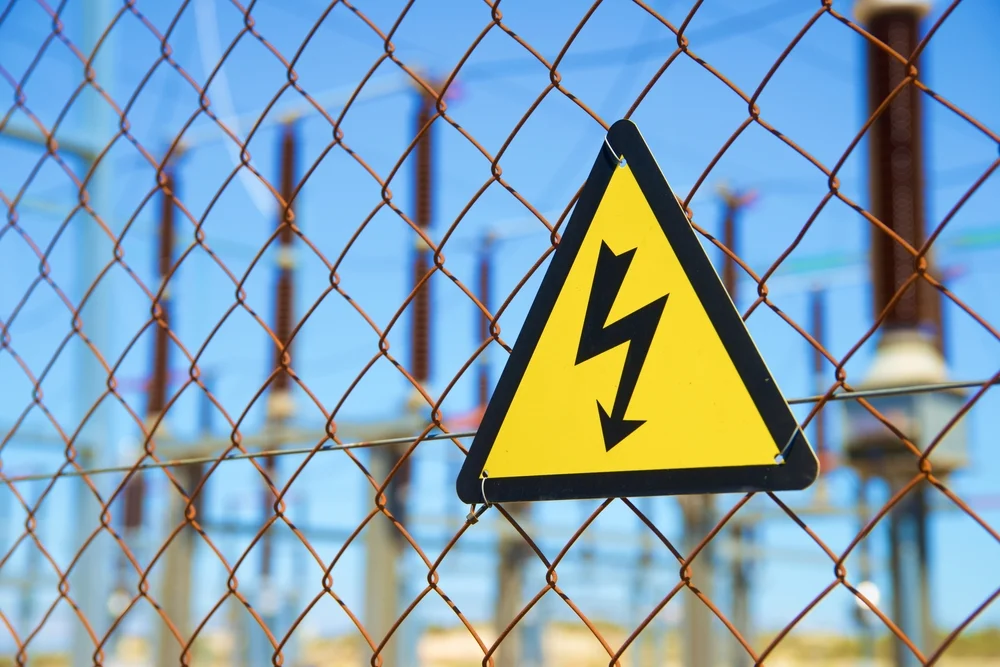
Electricians work around energized systems every day, making electrical shock one of the most significant hazards on a construction site. These accidents can occur when workers come into contact with exposed wiring, faulty equipment, damaged insulation, or circuits that were not properly de-energized before work began.
The effects of an electric shock can vary widely depending on the voltage involved and the path the current takes through the body. Some workers suffer relatively minor injuries, while others experience severe burns, nerve damage, muscle injuries, cardiac complications, or loss of consciousness.
Even electrical shocks that initially appear minor should be taken seriously, as symptoms and complications may not be immediately apparent. A worker does not necessarily need to suffer a permanent injury to have a valid claim. Even when an electrician ultimately recovers, an electrical shock may still result in losses that deserve careful evaluation.
Arc Flash and Electrical Burn Injuries
An arc flash occurs when an electrical current leaves its intended path and travels through the air. The resulting explosions generate extreme heat, intense light, and a powerful pressure wave capable of causing catastrophic injuries.
Electricians may suffer severe burns to the face, hands, arms, and other exposed areas of the body. Arc flash incidents also cause eye injuries, hearing damage, respiratory problems, and trauma from the blast force itself. An electrical burn to a construction worker can require extensive treatment, including skin grafts, rehabilitation, and ongoing care.
Falls From Ladders and Elevated Work Areas
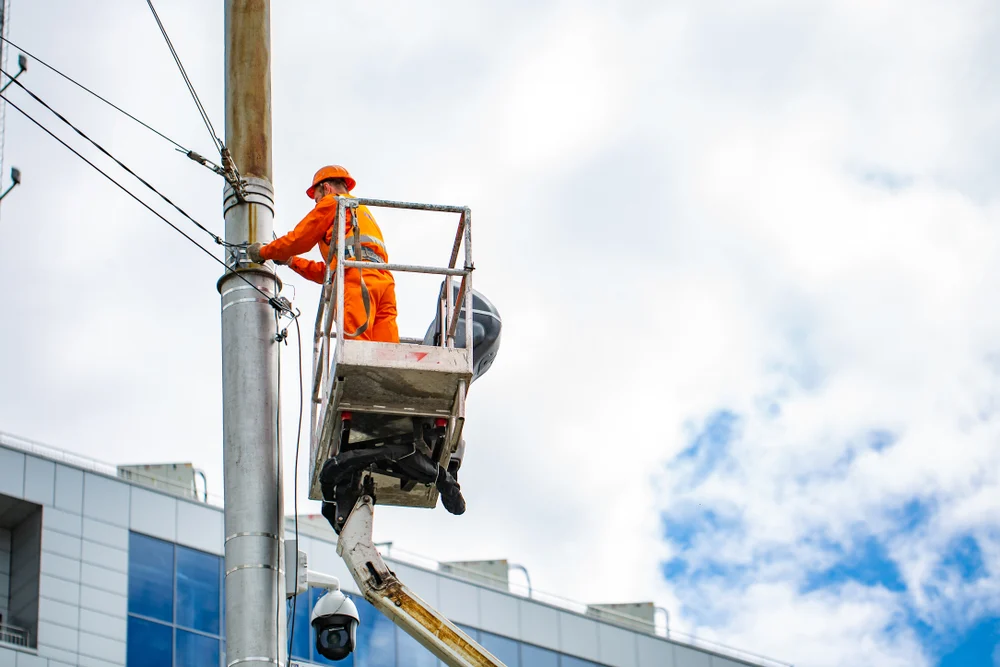
Installing lighting systems, running conduit, and performing electrical work near ceilings or rooftops often places workers several feet—or several stories—above the ground. An electrician’s fall in NYC can occur for many reasons and may involve equipment such as a ladder, scaffold, lift, or other elevated work area.
Regardless of the cause, falls from heights frequently result in some of the most serious injuries seen on construction sites. Common injuries include fractures, traumatic brain injuries, spinal cord injuries, and other forms of long-term disability that prevent an electrician from returning to work.
Struck-By, Crush, and Falling Object Accidents
Electrical work often takes place alongside other construction activities, exposing electricians to hazards that extend beyond electrical systems themselves. Tools, materials, debris, and equipment may be moving throughout a jobsite while multiple trades work in the same area.
Electricians suffer serious injuries when they are struck by falling objects, hit by moving equipment, or caught between heavy materials and structures. Large electrical components such as transformers, switchgear, conduit, and panels also cause crush injuries during installation, removal, or transport.
These accidents result in fractures, head injuries, hand injuries, internal injuries, or other forms of serious harm. While they receive less attention than electrical shocks or falls, struck-by and crush accidents remain a significant source of construction-related injuries in New York City.
Which New York Labor Laws Protect Injured Electricians?
Construction accidents involving electricians do not always stop at a workers’ compensation claim. A worker could file a lawsuit for damages against liable third parties.
Labor Law 240(1)
Labor Law 240(1), often called the Scaffold Law, protects workers who are exposed to elevation-related hazards. The law applies when workers are injured in falls from heights or struck by falling objects that should have been properly secured.
The law is especially important because it imposes a form of absolute liability on contractors and certain building owners when a violation of the statute causes an elevation-related injury. Unlike many personal injury cases, the focus is not on whether the injured worker was careless. Instead, the central question is whether proper safety devices and protections were provided.
Labor Law 241(6)
Labor Law 241(6) requires that construction, demolition, and excavation work comply with specific safety regulations set forth in New York’s Industrial Code. An electrician may have a claim under this law if a violation of those regulations contributed to an accident.
Unlike Labor Law 240(1), which is limited to certain elevation-related hazards, Labor Law 241(6) applies to a broader range of construction site safety violations.
Labor Law 200
Labor Law 200 addresses the general obligation to maintain a reasonably safe construction site. The statute often comes into play when an electrician’s injuries result from a dangerous condition on the jobsite or unsafe work practices.
Unlike Labor Law 240(1), Labor Law 200 claims often focus on whether a contractor, property owner, or another party failed to act reasonably under the circumstances. Questions about who created the hazard, who knew about it, and whether it could have been corrected all become important.
What Compensation Is Available After an Electrician’s Injury?
In many construction accident cases, workers’ compensation is not the only potential source of recovery. Because multiple contractors and companies often work on the same project, an electrician may have a separate claim against a party whose negligence or statutory violation contributed to the injury.
These claims allow injured electricians to pursue compensation for losses such as:
- Past and future pain and suffering
- Lost income and reduced earning capacity
- Medical expenses
- Loss of union benefits
- Permanent disability and other long-term effects of the injury
Tragically, some construction accidents involving electricians are fatal. Cases involving electrocution on construction sites in New York and other fatal incidents give surviving family members the right to pursue compensation through a wrongful death claim.
Case Spotlight: Recovery for an Injured Union Electrician
At Oresky & Associates, PLLC, we have represented many construction workers whose lives changed because basic safety requirements were ignored.
One of our clients, an experienced electrician, was installing electrical connections for a rooftop air conditioning system during the construction of a building extension in Brooklyn when he fell approximately 12 to 14 feet from the roof. Although he was performing elevated work, he had not been provided with a safety harness, lifeline, or other fall protection required for the job.
The fall left him with fractures to both legs and serious injuries to his ankles, knees, hips, shoulders, neck, and back. He later developed chronic pain, post-traumatic arthritis, and psychological injuries that significantly affected his ability to continue working as an electrician.
Our attorneys proved that the fall could have been prevented had the protections required under New York’s Scaffold Law been in place. Oresky & Associates, PLLC secured a $6 million settlement that reflected not only the seriousness of the electrician’s injuries, but also the lasting impact the accident had on his ability to work and enjoy everyday life.

How Union Membership Influences an Electrician’s Injury Claim
For union electricians, a serious injury affects far more than a weekly paycheck. Time away from work results in lost overtime opportunities, missed pension and annuity contributions, interrupted healthcare benefits, and other losses tied to hours worked under a collective bargaining agreement.
These damages become particularly significant in cases involving permanent injuries or long-term disabilities. For younger electricians with decades remaining in their careers, the financial impact of an injury extends well beyond the initial recovery period.
Union records also play an important role when calculating damages. Earnings histories, benefit records, trade classifications, overtime patterns, and seniority information will help establish the full extent of a worker’s losses and future earning capacity.
Our firm will carefully evaluate these factors when handling construction accident cases, reviewing benefit records, payroll documentation, and other information to paint a complete picture of how an injury has affected a worker’s career and future.
What Non-Union Electricians Should Know About Their Rights
Non-union electricians have strong construction accident claims under New York law. However, their cases sometimes present challenges that differ from those faced by union workers.
For example, some non-union electricians are misclassified as independent contractors, paid in cash, or have inconsistent earnings records. While these issues do not eliminate a worker’s rights, they can make it more important to gather documentation that helps establish employment history, earnings, and damages.
Non-union workers also lack access to certain benefits available through a union, such as pension contributions, annuity funds, or negotiated healthcare coverage. As a result, the financial impact of a serious injury will look different from that of a union electrician.
Regardless of union status, injured electricians have legal options.
When Safety Failures Lead to Serious Injuries, Our New York Lawyers Are Here to Help
At Oresky & Associates, PLLC, we understand that the weeks after a serious construction accident can be filled with uncertainty. Helping people navigate those challenges is at the heart of what our lawyers do. When you are ready to take action, call (929) 209-4492 for a free consultation.