

Construction work is one of the most dangerous occupations in New York. While many jobsite injuries heal with time, others permanently alter a worker’s health, career, and quality of life. Traumatic brain injuries, spinal cord injuries, amputations, and crush injuries are among the most devastating outcomes of construction accidents because they require extensive medical treatment and leave lasting physical and cognitive impairments.
When catastrophic construction injuries in NY are caused by unsafe conditions or a failure to provide proper protection, injured workers and their families have important legal rights. Understanding the nature of these injuries and how they can affect every aspect of a person’s life is an important first step toward protecting those rights.
What Makes a Construction Injury “Catastrophic” Under New York Law?
Not every construction accident causes a catastrophic injury. While many workers recover from broken bones, sprains, and other injuries with time and treatment, catastrophic injuries result in permanent or life-altering consequences that affect nearly every aspect of a person’s life.
Although New York law does not establish a single legal definition of a “catastrophic” injury, the term generally refers to injuries that cause permanent disability, significant loss of bodily function, or lasting cognitive impairment. These injuries frequently require extensive medical care, lengthy rehabilitation, and ongoing assistance with daily activities. Many injured workers are unable to return to construction work or the occupations they held before the accident.
Because the consequences are so significant, these cases require careful consideration of both a person’s current needs and the long-term effects the injury will have on their health, independence, ability to work, and overall quality of life.
What Causes Catastrophic Construction Injuries?
Construction work often involves elevated work areas, heavy equipment, powerful machinery, and constantly changing jobsite conditions. When proper safety precautions are not followed or workers are not provided with appropriate protection, the consequences can be life-changing.
The most common accidents that lead to catastrophic construction injuries include:
- Falls from heights, including falls from scaffolds, ladders, roofs, and other elevated work areas.
- Falling objects, such as tools, construction materials, or equipment striking workers below.
- Caught-in or caught-between accidents, in which workers become trapped between heavy equipment, building materials, or other objects.
- Structural failures and trench collapses, which expose workers to tremendous force and cause multiple traumatic injuries at once.
Catastrophic construction accidents cause a wide range of life-changing injuries, each presenting its own medical challenges and long-term consequences.
Traumatic Brain Injuries After Construction Accidents
A traumatic brain injury (TBI) can change a person’s life in ways that are not always immediately apparent. While some people recover with time and treatment, others experience lasting physical, cognitive, or emotional challenges that affect their independence, their ability to work, and their relationships with others.
Mild Traumatic Brain Injuries and Concussions
A concussion is the most common type of traumatic brain injury. Although it is considered a “mild” TBI from a medical standpoint, the effects are still significant. After a concussion, a person may experience headaches, dizziness, nausea, fatigue, difficulty concentrating, memory problems, or sensitivity to light and noise. These symptoms make it difficult to work, drive, or manage everyday responsibilities.
Many people recover from a concussion with appropriate medical care and rest. However, recovery is different for everyone. Returning to physically demanding work before the brain has had time to heal can delay recovery and increase the risk of additional injury.
Moderate and Severe Brain Injuries
Moderate and severe traumatic brain injuries require emergency treatment, hospitalization, and extensive rehabilitation. Depending on which part of the brain is affected, these injuries change how a person thinks, communicates, moves, or interacts with others.
Many people with moderate or severe TBIs are left with permanent disabilities that affect their independence, ability to work, and daily life. A severe brain injury affects not only the injured worker but also the entire family, as loved ones take on caregiving responsibilities and adapt to lasting changes in the injured person’s abilities and independence.
Post-Concussive Syndrome and Hidden Symptoms
For some people, the effects of a concussion do not resolve within a few weeks. Instead, they develop post-concussive syndrome, a condition in which symptoms persist for months or, in some cases, even longer.
These lingering effects are difficult for others to recognize because they are not outwardly visible. Persistent symptoms such as headaches, memory problems, difficulty concentrating, and fatigue interfere with work and everyday activities. Even routine activities may become more challenging, making it difficult to return to work or resume the same level of independence as before the injury.
Unlike a broken bone or other visible injury, post-concussive syndrome may leave few external signs despite having a profound impact on a person’s quality of life. Ongoing medical evaluation and appropriate treatment play an important role in managing symptoms and documenting how the injury continues to affect the person’s daily functioning.
Spinal Cord Injuries in NY Construction Accidents
The spinal cord serves as the body’s primary communication pathway, carrying signals between the brain and the rest of the body. When that pathway is damaged, it can affect movement, sensation, and many of the basic functions people rely on every day. For many injured workers, a spinal cord injury marks the beginning of a long period of rehabilitation and adjustment as they learn to navigate life with new physical limitations.
Complete vs. Incomplete Spinal Cord Injuries
Spinal cord injuries are generally classified as either complete or incomplete. A complete injury results in a total loss of movement and sensation below the site of the injury. With an incomplete injury, some nerve signals can still travel through the damaged area, allowing a person to retain varying degrees of movement or sensation.
An incomplete injury does not imply that it is a minor one. Many people continue to experience chronic pain, muscle weakness, impaired coordination, or reduced mobility long after the initial injury.
Living With Paralysis and Permanent Disabilities
Some spinal cord injuries result in paraplegia, which affects the lower half of the body, while others lead to quadriplegia, also called tetraplegia, which affects both the arms and legs. These injuries require substantial lifestyle adjustments, including the use of wheelchairs or other mobility devices, modifications to the home, and ongoing personal or medical assistance.
Beyond the physical challenges, spinal cord injuries affect nearly every aspect of daily living. Returning to work may no longer be possible, routine tasks become significantly more difficult, and family members often take on caregiving responsibilities as they adapt to a new way of life.
NY Construction Accidents Can Lead to Amputations
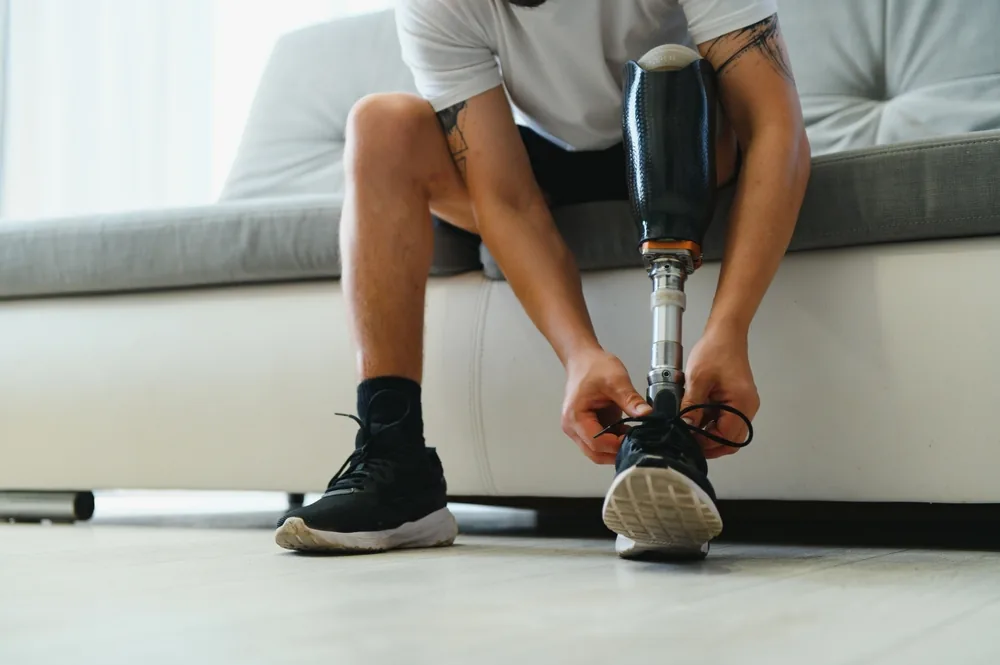
An amputation permanently changes the way a person lives and works. Recovery extends far beyond the initial injury as workers adapt to new physical limitations, regain as much function as possible, and learn new ways to navigate everyday life. The adjustment is both physical and emotional, particularly after a career-ending injury.
For construction workers, returning to the same type of work may no longer be possible. Even routine job duties become difficult, requiring workers to transition into different roles or entirely new careers. That loss can affect not only a person’s income, but also their sense of independence and identity.
Rehabilitation is a long-term process. Many amputees work with physical and occupational therapists while learning to use prosthetic devices when appropriate. Although modern prosthetics can restore a significant degree of function, they require ongoing adjustments as a person’s needs change. Over time, recovery becomes less about healing from the initial injury and more about adapting to a new way of living.
Construction Crush Injuries on NY Worksites
A crush injury occurs when part of the body is compressed by a powerful force. These injuries damage bones, muscles, nerves, blood vessels, and internal organs simultaneously. Crush injuries lead to serious complications, including:
- Compartment syndrome, which occurs when pressure builds within muscles and restricts blood flow, potentially causing permanent tissue damage.
- Internal bleeding and organ damage that may not be immediately apparent after the accident.
- Pelvic and abdominal injuries, which can affect major organs and require emergency surgery.
- Nerve damage that results in chronic pain, weakness, or loss of function.
Recovery from a crush injury can be unpredictable because doctors must treat both the initial trauma and complications that develop afterward. Some workers need additional procedures or ongoing rehabilitation to regain as much function as possible.
While construction work will always involve some degree of risk, many catastrophic accidents occur because essential safety precautions were not followed. New York law requires employers, contractors, and property owners to comply with workplace safety requirements and provide appropriate protection for workers.
When those responsibilities are not met, injured workers have legal rights that extend beyond emergency medical care.

What Legal Options Are Available After a Catastrophic Construction Injury?
In New York, injured construction workers have important legal rights. Workers’ compensation provides benefits to employees who are injured on the job, regardless of who caused the accident. These benefits cover medical treatment and replace a portion of lost wages while an injured worker recovers. However, workers’ compensation does not provide compensation for pain and suffering.
In catastrophic construction accidents, workers also have the right to pursue a third-party personal injury claim. Unlike a workers’ compensation claim, a third-party lawsuit may allow an injured worker to recover damages for pain and suffering, future medical expenses, lost earning capacity, and other losses when someone other than the employer is legally responsible for the accident.
Because catastrophic construction accidents often involve multiple companies working on the same jobsite, determining what legal claims are available is extremely complex.
New York Labor Laws Play an Important Role in Construction Injury Cases
New York Labor Laws recognize the unique hazards construction workers face and establish responsibilities for maintaining safe worksites. When those responsibilities are not met, and a worker is injured, several labor laws protect laborers. These include:
- Labor Law 240(1): Often called the Scaffold Law, this statute protects workers from certain gravity-related hazards, including falls from heights and injuries caused by falling objects. It requires appropriate safety devices for covered work and applies to certain building owners and contractors.
- Labor Law 241(6): This law requires construction, excavation, and demolition work to comply with specific provisions of the New York Industrial Code that are intended to promote safe working conditions.
- Labor Law 200: This statute reflects the general duty to provide workers with a reasonably safe place to work and is frequently raised in cases involving dangerous jobsite conditions or unsafe work practices.
Together, these statutes form an important part of New York’s legal framework for protecting construction workers and holding responsible parties accountable when preventable accidents occur.
Accounting for Long-Term Needs After a Catastrophic Injury
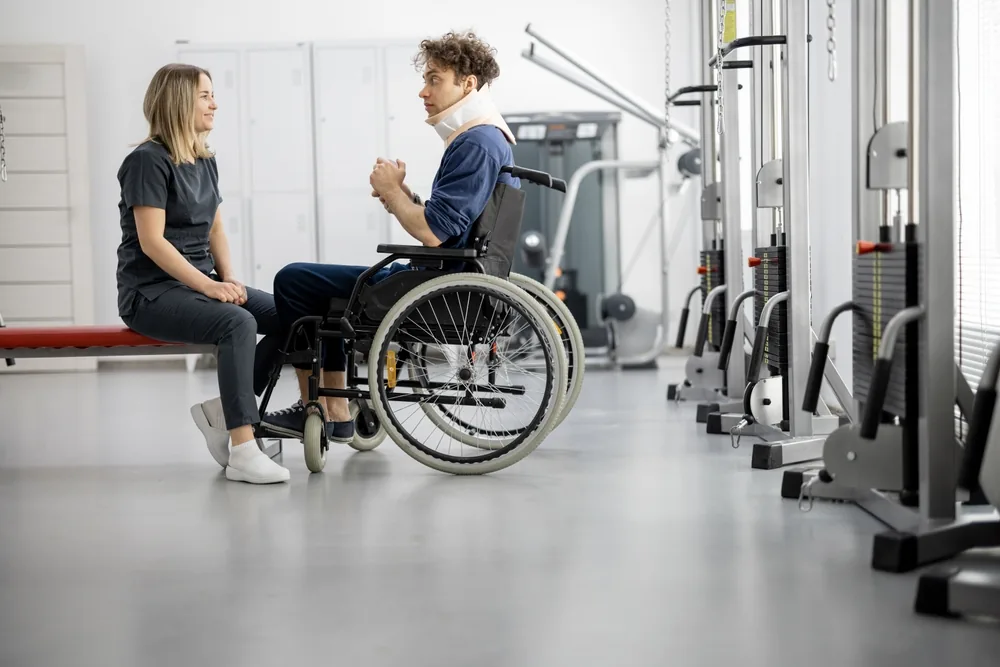
The effects of a catastrophic construction injury do not end after the initial emergency has passed. In many cases, recovery becomes a long-term process that extends well beyond the hospital or rehabilitation facility.
Understanding those future needs requires input from a team of professionals, including physicians, rehabilitation specialists, vocational experts, and economists. In many cases, that process includes developing a life-care plan, which helps estimate the resources an injured person is likely to need over time. A life-care plan considers factors such as:
- Future medical treatment and rehabilitation
- Prosthetic devices, wheelchairs, or other assistive equipment
- Home or vehicle modifications that improve accessibility
- Long-term personal or nursing care, when appropriate
- The costs associated with permanent disabilities and reduced independence
While no amount of compensation can restore a person’s health, considering those long-term needs helps provide greater financial stability and access to the care and support that recovery requires.
Helping Workers Move Forward After Catastrophic Construction Accidents
A catastrophic construction injury can leave a worker facing one of the most difficult periods of their life. At Oresky & Associates, PLLC, we believe every client deserves an advocate who will take the time to understand what they have been through and build a case that reflects the full impact of their injuries.
That approach has helped us obtain significant recoveries for construction workers across New York, including:
- A $10 million settlement for two plumbers injured when a Bronx apartment floor collapsed beneath them: While repairing a leak and replacing a bathtub, both workers fell more than 20 feet into the building’s basement, suffering fractures, disc damage, and nerve injuries that required multiple spinal, knee, and shoulder surgeries.
- A $7.5 million settlement for a demolition worker who fell from an unsecured scaffold in Brooklyn: Falling concrete struck the scaffold he was working on, snapping the platform beneath him and causing him to fall to the floor below, resulting in cervical spine surgery, lumbar spine surgery, and additional knee and shoulder procedures.
- A $7.4 million settlement for a mason who fell 15 to 18 feet from an unguarded scaffold in Westchester County: An improperly secured plank shifted and gave way beneath him; the scaffold was later tagged for safety violations, including missing guardrails and harnesses without required lanyards, and he required emergency spinal surgery and multilevel fusion.
Behind every recovery is a person whose life changed in an instant. Our job is to make sure that the lasting consequences of a catastrophic injury are fully understood and never treated as an afterthought.
Frequently Asked Questions
What Is a Life-Care Plan, and Why Does It Matter?
A life-care plan is a detailed assessment of the medical care, rehabilitation, equipment, and support a person needs after a catastrophic injury. It is typically developed with input from medical and rehabilitation professionals and demonstrates the long-term impact of an injury.
What Happens if My Family Member Cannot Make Decisions After a Catastrophic Injury?
Some catastrophic injuries leave a person temporarily or permanently unable to make important legal or financial decisions. In those situations, a family member or other authorized representative may be able to act on the injured person’s behalf. Speak with an attorney as soon as possible to understand the available legal options and ensure the injured person’s rights are protected.
How Soon Should I Speak With a Construction Accident Lawyer?
It is generally best to speak with a construction accident lawyer as soon as possible after a catastrophic injury. These cases take significant time to investigate and prepare, particularly when they involve serious injuries, multiple parties, or complex questions about how the accident occurred.
Acting early also helps protect your legal rights. Important evidence may become more difficult to obtain over time, witnesses’ memories can fade, and state law limits how long victims have to pursue construction accident claims. Speaking with an attorney early allows the legal process to begin while the facts surrounding the accident are still being developed.
Let Our Catastrophic Injury Lawyers in NYC Help You Seek the Compensation You Need
A catastrophic construction injury can leave you facing an uncertain future, but you do not have to face it alone.
At Oresky & Associates, PLLC, our firm has spent more than 30 years helping injured construction workers throughout New York protect their rights and plan for what comes next. If you or someone you love has been seriously injured, we’re here to answer your questions, explain your legal options, and help you move forward. Call (929) 209-4492 for a free case evaluation.