


Construction sites contain many hazards that can lead to traumatic brain injuries (TBIs). While some workers recover from a concussion within weeks, others experience symptoms that persist for months or even years, affecting their ability to work, earn a living, and enjoy daily life.
Because no two brain injuries are exactly alike, construction accident settlements in NY can vary from person to person. Understanding how traumatic brain injuries affect both a person’s life and their legal claim can help injured workers and their families make more informed decisions about their future.
How Traumatic Brain Injuries Happen on NYC Construction Sites
While not every head injury that an NYC construction worker suffers is a traumatic brain injury, they face a higher risk of suffering significant head trauma because of the hazardous nature of their work.
Construction-related TBIs can happen because of:
- Falls from scaffolds, ladders, roofs, and other elevated surfaces
- Falling tools, debris, and construction materials
- Crane, hoist, and heavy equipment accidents
- Falls into trenches, openings, and excavation areas
- Collapsing structures or work platforms
- Slip, trip, and fall accidents involving construction debris
- Struck-by accidents involving moving equipment or vehicles
Many of these accidents are preventable when workers are provided with proper safety protections and equipment.
TBI Severity Levels and Their Effects on Construction Workers

Traumatic brain injuries are generally classified as mild, moderate, or severe. However, these categories do not always reflect the extent to which an injury may affect a worker’s daily life.
Mild TBI
A mild traumatic brain injury, commonly called a concussion, is often the most misunderstood type of brain injury. While many workers recover within weeks or months, others continue experiencing symptoms long after the initial injury.
Post-Concussive Syndrome in Construction Workers
Not every worker who suffers a concussion after a construction accident in NY makes a full recovery right away. Some continue experiencing headaches, memory problems, difficulty concentrating, sleep disturbances, and other symptoms for months or even years. This condition is commonly known as post-concussive syndrome.
Because these symptoms are often invisible to others, injured workers may face challenges proving the full extent of their injury.
Moderate and Severe TBIs
Moderate and severe traumatic brain injuries generally involve more significant neurological impairment and often require extensive treatment and rehabilitation. Depending on the injury, workers may experience lasting cognitive limitations, personality changes, difficulties communicating, loss of independence, or an inability to return to construction work.
What Determines the Value of a Construction Accident TBI Claim?
Several factors can influence the value of a construction accident TBI claim, including:
Severity of the Brain Injury
Generally speaking, more severe traumatic brain injuries tend to result in higher settlements than injuries that resolve relatively quickly. However, the diagnosis alone does not determine the value of a claim.
Factors such as permanent impairment, ongoing treatment needs, cognitive limitations, and the worker’s long-term prognosis may all affect compensation. In many cases, the most important consideration is how the injury affects the person’s ability to work, perform daily activities, and maintain the same quality of life they enjoyed before the accident.
Duration of Symptoms
The effects of a brain injury do not always end when a worker leaves the hospital. Persistent symptoms involving memory, concentration, mood, headaches, sleep, or other aspects of daily functioning may increase the long-term impact of the injury and, in turn, the value of a claim.
Impact on the Ability to Work
Construction work often requires physical stamina, quick decision-making, and constant attention to safety. When a traumatic brain injury prevents a worker from returning to the same job, reduces earning capacity, or limits future employment opportunities, those consequences may significantly affect the value of a case.
Medical Evidence and Expert Opinions
Strong medical documentation is often critical in traumatic brain injury claims. Treatment records, diagnostic testing, neuropsychological evaluations, and expert opinions can help establish both the existence of the injury and its effect on the worker’s life.
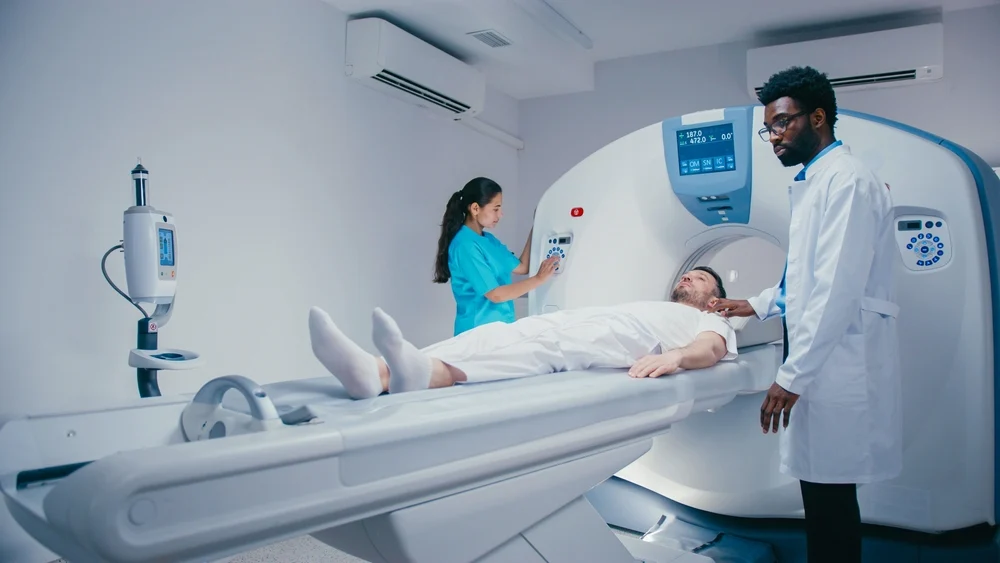
This can be particularly important because traumatic brain injury symptoms do not always appear on standard imaging studies. A worker may continue to experience memory problems, difficulty concentrating, or other cognitive symptoms even when a CT scan or MRI does not reveal any obvious abnormalities. Neuropsychological testing helps evaluate cognitive functions such as memory, attention, processing speed, and problem-solving ability, providing objective evidence of deficits that might otherwise be difficult to measure or explain.
New York Construction Laws Can Also Affect TBI Settlements
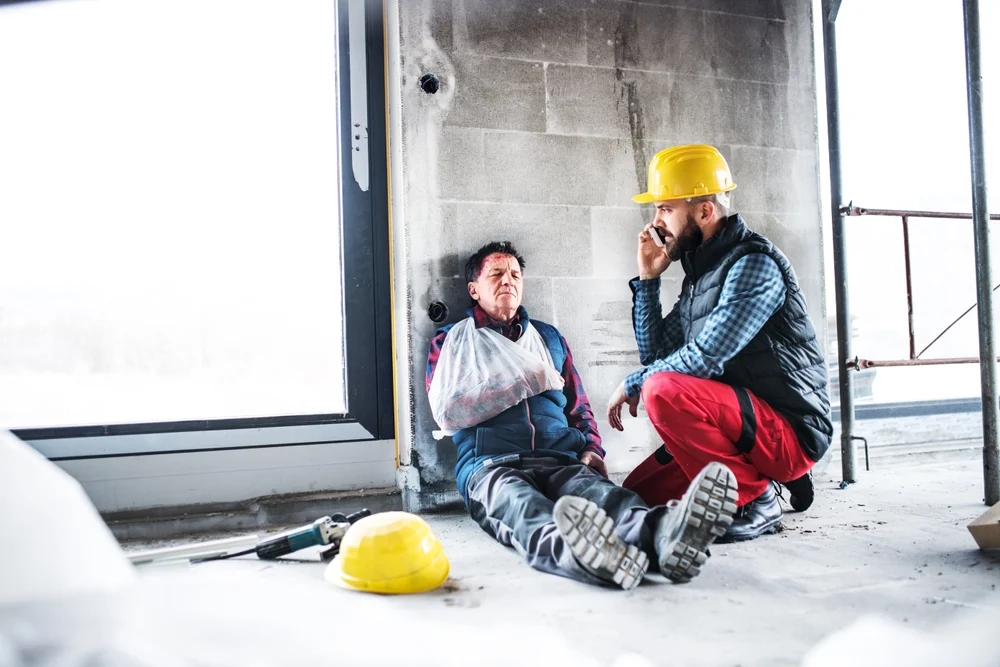
The legal framework surrounding a construction accident can also play an important role in influencing a settlement value.
New York construction workers are protected by several laws that may allow them to pursue compensation when an accident is caused by inadequate safety measures, dangerous worksite conditions, or other violations of workplace safety obligations. Depending on the circumstances, these laws can affect liability, the evidence needed to support a claim, and the overall strength of a case.
Labor Law 240(1) and Elevation-Related Brain Injuries
Labor Law 240(1), often called the Scaffold Law, is one of the most important legal protections available to construction workers in New York. The law applies to many elevation-related accidents, including falls from scaffolds, ladders, roofs, and other elevated work areas. It can also apply when a worker is struck by a falling object that should have been properly secured.
Unlike many personal injury claims, Labor Law 240(1) cases do not focus on negligence. Instead, the focus is on whether contractors and certain building owners provided adequate safety devices and protections to address elevation-related hazards.
Because falls and falling-object accidents frequently result in serious or catastrophic injuries, Labor Law 240(1) often plays a significant role in high-value construction accident claims involving traumatic brain injuries.
Other Construction Laws and Negligence Claims
Not every traumatic brain injury on a construction site involves a fall from a height or a falling object. In some cases, workers are injured because safety regulations were not followed, hazardous conditions were allowed to exist, or those responsible for the worksite failed to take reasonable steps to protect workers.
Depending on the circumstances, claims may involve Labor Law 241(6), Labor Law 200, negligence principles, or a combination of legal theories. These laws and claims can help establish liability when a worker suffers a traumatic brain injury because of unsafe conditions or failures to comply with construction safety requirements.
Fault may also play a larger role in these cases than it does in Labor Law 240(1) claims. New York follows a comparative fault system, meaning an injured worker may still recover compensation even if they are found partially responsible for the accident. However, any allocation of fault can affect the amount ultimately recovered.
For this reason, determining which laws apply to a construction accident is often an important part of evaluating the strength and potential value of a traumatic brain injury claim.
Examples of Construction Accident Brain Injury Recoveries
A traumatic brain injury can change a person’s life in ways that are not always immediately visible. Over the years, our NYC construction accident lawyers have seen firsthand how differently traumatic brain injuries can affect construction workers. Some clients recover within months, while others continue dealing with cognitive, emotional, and physical symptoms that interfere with work and daily life for years after the accident.
$9 Million Settlement for a Bronx Construction Worker Injured in a Fall
One of our clients suffered life-altering injuries while working on the sixth floor of a building under construction in the Bronx. As he walked across the work surface, a floor panel that was not properly secured suddenly gave way beneath him, causing him to fall more than 10 feet onto the concrete surface below.
The fall left him with multiple serious injuries, including a fractured femur that required emergency surgery, fractures to both wrists, spinal compression fractures, and injuries to his hips, knee, ankle, and leg. He also suffered a mild traumatic brain injury with loss of consciousness. Oresky & Associates, PLLC secured a $9 million settlement on his behalf.
$1.35 Million Settlement for a Roofer Injured in a Scaffold Collapse
Another client was working approximately 25 feet above the ground on a residential construction project when a scaffold collapsed beneath him, causing him to fall more than 20 feet.
He suffered devastating injuries to his head, neck, and spine, including skull fractures, multiple spinal fractures, spinal cord compression, and a severe scalp injury. He required emergency surgery and extensive ongoing medical treatment.
With our help, the worker secured a $1.35 million settlement to help address his long-term medical needs and loss of earning capacity.
While every worker’s experience is different, this example highlights an important reality: the effects of a traumatic brain injury often extend far beyond the initial accident. When a head injury affects a person’s ability to work, support their family, or enjoy daily life, the consequences can be significant—and so can the compensation needed to address them.
Frequently Asked Questions
Can a Concussion Lead to a Significant Settlement?
It can, but the diagnosis alone does not determine the value of a claim. While a concussion is generally considered a mild traumatic brain injury, some workers experience symptoms that persist long after the initial accident.
In many construction accident cases, a concussion is only part of the overall picture, as serious construction accidents often result in multiple injuries, not just TBIs. Settlement amounts are typically influenced by the full impact of the accident, not just a single injury.
What if I Was Wearing a Hard Hat When I Hit My Head?
Hard hats help reduce the risk of serious head injuries, but they cannot prevent every traumatic brain injury. The brain can still move inside the skull during a fall, struck-by accident, or other high-impact event, resulting in a concussion or other TBI.
What Is Post-Concussive Syndrome Worth in a New York Construction Accident Case?
There is no standard settlement amount for post-concussive syndrome. The value of a claim typically depends on how severely the symptoms affect the injured worker’s daily life, ability to work, need for medical treatment, and long-term prognosis. Persistent cognitive, emotional, and physical symptoms may increase the overall value of a traumatic brain injury claim when they are supported by medical evidence.
Can a TBI From a Short Fall Lead to Significant Compensation?
Yes. The height of a fall does not always determine the severity of the resulting injury. Even a relatively short fall can cause a concussion, intracranial bleeding, or another serious brain injury if the worker strikes their head.
Moving Forward After a Construction Site Brain Injury
When recovering from a traumatic brain injury, many workers find themselves dealing with challenges they never expected. Some of the most difficult aspects of a brain injury emerge after the initial emergency has passed and the reality of long-term recovery begins to take shape.
At Oresky & Associates, PLLC, we have spent more than 30 years helping injured New Yorkers navigate that process. We know that every brain injury affects people differently, and we take the time to understand how an accident can change a client’s life, in the present and future. Our goal is to help injured workers understand their rights, pursue the compensation they deserve, and focus on their recovery while we handle the legal challenges ahead.
If you or a loved one suffered a traumatic brain injury in a New York City construction accident, call Oresky & Associates, PLLC at (718) 993-9999 to discuss your situation with our team. We are ready to go to work for you immediately.