

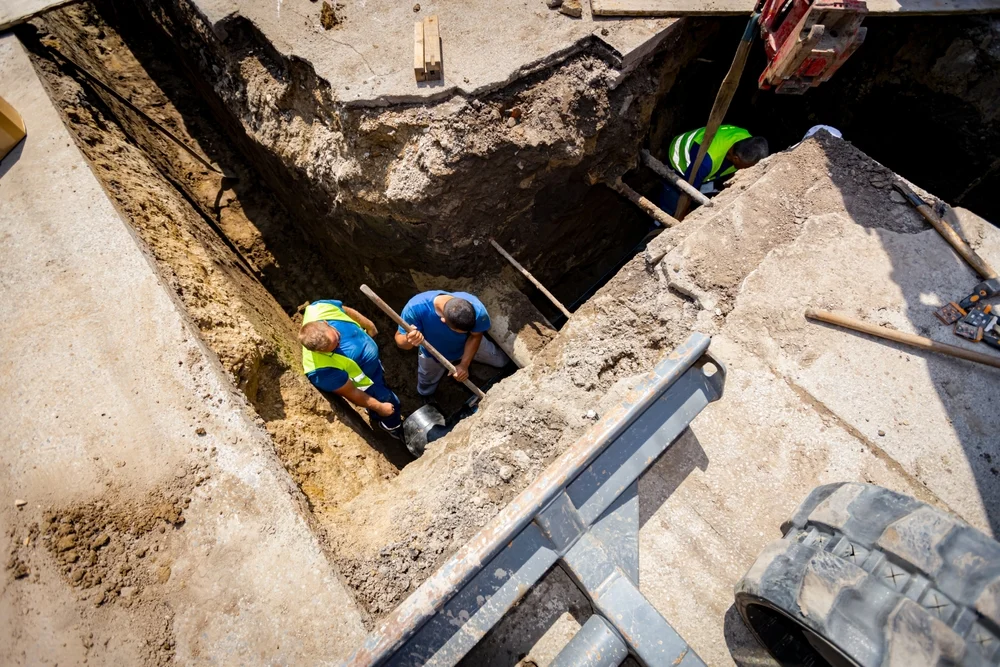
Excavation and trench collapses on construction sites in NYC are among the most dangerous accidents for workers. When soil, debris, or nearby structures give way, a person can be trapped, crushed, or deprived of air within seconds.
These cases often involve preventable safety failures. Contractors and other responsible parties may be required to provide protective systems, inspect excavation areas, and follow specific safety rules before workers enter a trench. When they fail to do so, injured workers may have options beyond workers’ compensation, including third-party construction accident claims.
Trench and Excavation Collapses Present Serious Dangers
Trenching and excavation work are essential to many New York City construction projects, from installing utility lines to laying foundations for new buildings. However, any failures in safety can spell disaster for workers and rescuers alike.
Inadequate Sloping, Shoring, or Shielding
One of the most common causes of trench cave-ins on NYC worksites is the failure to use adequate protective systems. When excavation walls are left unsupported, the surrounding soil can shift and collapse into the trench. Depending on site conditions, protections such as sloping, shoring, or trench boxes may be necessary to reduce this risk.
Adjacent Foundation and Utility Line Failures
Excavation work can affect the stability of nearby structures and underground infrastructure. In New York City, construction often occurs close to existing buildings and utilities. Poorly planned digging can weaken the surrounding ground and contribute to a collapse.
Heavy Equipment Near Excavation Edges
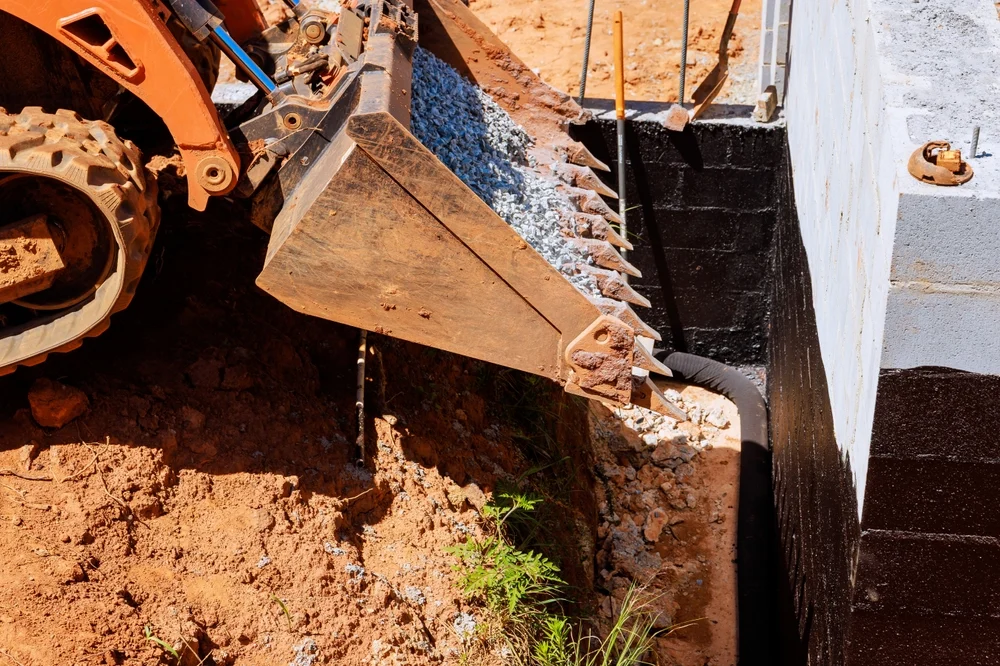
Excavators, loaders, trucks, and stored materials can place additional pressure on trench walls. When heavy equipment, soil piles, or construction supplies are kept too close to the edge, the risk of collapse may increase.
Water Intrusion and Soil Instability
Rainfall, groundwater seepage, leaking utility lines, and poor drainage can weaken soil and make an excavation more dangerous.
Because conditions can change quickly, ongoing monitoring is often necessary to identify potential hazards before a collapse occurs.
Additional Safety Requirements for Trenching and Excavation Projects
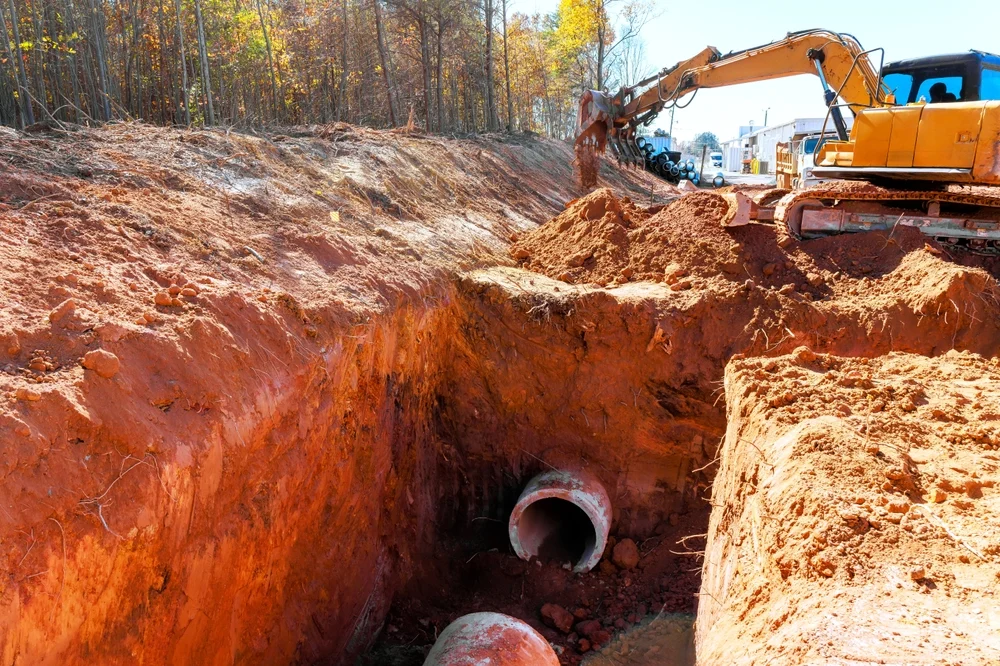
Because trench collapses can have devastating consequences, excavation projects are subject to strict safety requirements. Federal OSHA trench protections and New York construction safety requirements establish standards intended to protect workers from cave-ins and other excavation-related hazards.
Safe Access and Exit Requirements
Workers need a safe way to enter and exit trenches, particularly when excavations are deeper or more complex. Ladders, ramps, and other access points can help workers leave the area quickly if conditions become unsafe.
Without proper access and exit routes, workers may have difficulty escaping during an emergency, increasing the risk of serious injury if a collapse or other hazard develops.
Atmospheric Testing in Hazardous Excavations
Some trenches and excavations may present atmospheric hazards in addition to collapse risks. Oxygen-deficient environments, toxic gases, and other dangerous conditions can develop in underground work areas. When these hazards may be present, testing and monitoring can play an important role in protecting workers.
Can You Sue After a Trench Collapse?

A trench collapse can leave workers facing extensive medical treatment, time away from work, and long-term physical limitations. In these situations, most New York construction workers are eligible for workers’ compensation benefits after a work-related injury. These benefits can help pay for medical care and provide partial wage replacement during recovery, regardless of fault. However, injured laborers can have losses that far exceed what workers’ compensation covers.
Injured workers also have the right to pursue a personal injury lawsuit against a party other than their employer. These claims often focus on whether contractors, building owners, subcontractors, or other responsible parties failed to provide a reasonably safe work environment or comply with applicable construction safety requirements.
Who May Be Liable for a Trench Collapse in New York?
A trench collapse is not always the responsibility of a single party. Construction projects often involve multiple companies working on the same site, and liability may depend on who controlled the work, who was responsible for safety, and whether applicable construction laws and safety requirements were followed.
New York construction workers are protected by laws that go beyond federal OSHA regulations. For example, Labor Law 241(6) requires owners and contractors to provide reasonable and adequate protection for workers engaged in construction, demolition, and excavation work. Labor Law 200 also requires construction sites to be maintained in a reasonably safe condition. When these obligations are not met, injured workers may have the right to pursue compensation from responsible parties.
General Contractors
General contractors are often responsible for coordinating construction activities and overseeing safety on a job site. When excavation work proceeds without adequate protection or dangerous conditions are allowed to persist, a general contractor may be held liable for resulting injuries.
Building Owners
Some building owners may be responsible when construction workers are injured because required safety measures were not provided. Their potential liability depends on the nature of the project and the legal duties that apply to the work being performed.
Excavation and Sitework Subcontractors
Subcontractors performing excavation, utility installation, foundation work, or other site-preparation activities may also be responsible for a trench collapse. If unsafe excavation practices, inadequate protections, or other dangerous conditions contribute to the accident, the subcontractor responsible for that work may be liable for resulting injuries.
Common Injuries Caused by Trench Collapses

Trench collapses frequently cause catastrophic injuries because workers can become trapped beneath heavy soil, debris, or construction materials. Common trench collapse injuries include:
- Crush injuries, compartment syndrome, and internal injuries: The weight of collapsed soil can severely damage muscles, nerves, blood vessels, and internal organs. In some cases, victims develop compartment syndrome, a dangerous condition that may require emergency treatment.
- Asphyxiation and suffocation: Workers who become buried may be unable to breathe properly due to the pressure of the surrounding soil, creating a life-threatening emergency within minutes.
- Spinal, pelvic, and orthopedic injuries: The force of a collapse can cause broken bones, pelvic fractures, spinal injuries, and other serious musculoskeletal trauma that may require surgery and long-term rehabilitation.
Even when victims survive, they may face extensive medical treatment, lengthy rehabilitation, and permanent disabilities that affect their ability to work and support their families.
Construction Workers Deserve Strong Advocates in the Aftermath of a Site Collapse

Construction workers help build New York City, often while performing some of the most physically demanding and dangerous jobs in the state. When safety shortcuts lead to a trench collapse, it is often the worker who bears the consequences of decisions made by others on the job site.
That is why Oresky & Associates, PLLC, has spent more than 30 years fighting for injured workers and their families. Our construction accident lawyers understand the challenges that follow a serious construction accident, from mounting medical bills to uncertainty about whether a worker will ever be able to return to the job.
Our experience includes securing a $6.5 million pre-trial settlement for a construction laborer in lower Manhattan who was seriously injured when a trench collapsed around him, and he was buried alive on a construction site in NY. The worker was directed to perform excavation work in a trench exceeding 12 feet in depth while wet soil and water conditions were present.
The claim also alleged that the excavation was inadequately shored and that workers were required to continue digging despite unstable conditions. While no legal outcome can undo the physical and emotional toll of such an accident, we were proud to help this worker secure the resources needed for the road ahead.
For our firm, this and other cases are about more than settlements. They are about standing up for hardworking people who have been injured while doing dangerous work and helping them move forward with dignity and financial security.
Frequently Asked Questions
What if My Employer Says I Should Have Known the Trench Was Unsafe?
Construction workers are often expected to rely on contractors, supervisors, and other responsible parties to provide a reasonably safe work environment. In many situations, workers do not control how a trench is designed, protected, inspected, or maintained.
As a result, an employer’s claim that a worker “should have known better” does not automatically prevent the worker from pursuing compensation. In many cases, injured workers may still have a valid claim even when questions are raised about their actions or decisions leading up to the accident.
Whether those allegations affect the outcome of a claim depends on the circumstances of the accident and the laws that apply. Determining how those issues affect a particular case often requires a careful review of what happened and who may be responsible.
Are Trench Collapse Cases Worth More Than Other Construction Injuries?
Every case is different. However, trench collapses frequently result in catastrophic injuries that can lead to significant losses. The value of an excavation accident lawsuit depends on factors such as the severity of the injuries, the worker’s prognosis, the extent of lost income, and the circumstances surrounding the accident.
How Long Do Trench Collapse Cases Take in New York?
There is no set timeline for a trench collapse case. Some claims are resolved through settlement, while others require extensive investigation or litigation. Factors such as the complexity of the accident, the number of parties involved, and the severity of the injuries can all affect how long a case takes to resolve.
A Voice for Injured Construction Workers and Their Families

For construction workers across New York City, excavation accidents remain a serious threat when proper safety precautions are ignored. The consequences can be devastating, leaving workers and their families to cope with severe injuries and an uncertain future.
At Oresky & Associates, PLLC, we believe injured construction workers deserve more than promises—they deserve an advocate who will stand beside them and fight for their future. We understand what is at stake, and we are committed to helping workers hold responsible parties accountable.
If you or a loved one was injured in a trench or excavation collapse, contact Oresky & Associates, PLLC, today at (718) 993-9999 for a free consultation. We are ready to listen to your story, explain your options, and help you take the next step forward.